How to Choose a Realtor in Arizona
How to choose a realtor in Arizona: verify a license with the Arizona Department of Real Estate, understand buyer agreements, and know what to ask.

A clear, step-by-step look at selling in the West Valley, Greater Phoenix and Tucson, from your first walkthrough to closing day.

I’m Tatum Folkestad, a REALTOR® with W & Partners and The Local Group Real Estate Team. I grew up in the Arrowhead Lakes area of Glendale and help homeowners across the West Valley and Greater Phoenix, with additional service in Tucson. Selling a home is a big decision, and you deserve straight answers about how the process works and what it may cost.
This page walks through each step of an Arizona sale and what I’ll do along the way. Every home and market is different, so there are no guarantees about price or timing, but a clear plan makes the whole thing far less stressful. If you just want a number to start with, request a free home value report.
Preparation usually matters more than big remodels. Buyers notice clean, bright, well-maintained homes, and small fixes can help a home photograph and show well. Before listing, I’ll walk through your home with you and give you my honest take on what’s worth doing and what you can skip.
Common high-impact steps:
Arizona homes have a few extras to think about. Service the HVAC system, especially before summer, and keep the receipt. If you have a pool, get the water clear and the equipment working. Check the irrigation system for leaks and broken emitters. Look at the roof, particularly tile underlayment and flat or foam sections. Gather solar documents if you have panels, plus HOA contact information.
My free Home Selling Preparation Checklist goes room by room so nothing gets missed.
A room-by-room checklist to get your Arizona home ready for photos, showings and inspection.
Price is one of the biggest factors in how a home sells. Priced in line with the market, a home may draw more interest early, when it’s newest and getting the most attention. Priced well above comparable homes, it may sit, and buyers often wonder why.
What a buyer will pay is shaped by:
Online estimates can be a starting point, but they can’t see your kitchen remodel or the roof you just replaced, and they can be off by a lot. The price is ultimately your decision. My job is to give you an honest read of the market so you can make it with good information. We’ll also talk about strategy: how you’ll respond if interest is strong, and what we’ll do if it’s slower than expected. For more on how values are set, see what’s my Glendale home worth.
I’ll prepare a comparative market analysis, or CMA, for your home. A CMA looks at:
I’ll adjust for differences like square footage, updates, lot size and pools, then walk you through the results in plain language and give you a realistic price range. I’ll also show you how long similar homes near you have been taking to sell, so you can plan your timeline.
A CMA is a market estimate from a real estate agent, not an appraisal. If your buyer uses a loan, their lender will order an appraisal later in the process. Request yours on the home value page; it’s free and there’s no obligation to sell.
Curious what your home is worth? Request a free CMA. There’s no obligation to sell.
Most buyers see your home online first, so photos do a lot of work. For my listings, I arrange professional photography, and where appropriate for the home and the budget, we may add things like aerial images, a video or a virtual tour. A pool, a big lot or a lake or mountain view are the kinds of features where extra media can help.
To get ready for photo day:
Arizona light is bright, so timing matters. Many photographers prefer certain times of day for exteriors and may suggest a twilight shot for homes with great outdoor lighting or a pool. We’ll schedule around what shows your home best. Once the photos are done, I’ll review them before the listing goes live.
Before your home goes live, we’ll sign a listing agreement and handle disclosures. Compensation is negotiable, and we’ll go over it, along with any offer of compensation to a buyer’s agent, before you sign anything.
Arizona sellers typically complete the Seller’s Property Disclosure Statement (SPDS), an Arizona REALTORS® form covering the home’s systems, history, repairs and known issues. Arizona sellers are expected to disclose known material facts, so answer honestly and completely, and talk to an attorney if you’re unsure about something. Other documents that may be needed:
Some sellers order a pre-listing inspection to find issues early. It isn’t required, and anything you learn may need to be disclosed, so we’ll talk through whether it makes sense for you.
Good marketing is about getting your home in front of the people most likely to buy it, with accurate information and great presentation. My listing plan includes:
I’ll tailor the description to the buyers who are likely to be interested. A single-level home near shopping, a lakefront home in Arrowhead Lakes, or a newer build with solar each have different selling points. Fair housing rules apply to marketing too, so descriptions focus on the home and its features and amenities, never on who should live there.
Throughout the listing, I’ll share feedback from showings and how buyers are responding online, so we can adjust if needed.
Once you’re live, buyers and their agents will request showings. Showings are usually scheduled through an online system, and you choose the rules: how much notice you need, times that are off limits, and whether you want to approve each request.
Tips that help showings go smoothly:
If you have security cameras, be aware of privacy and recording laws and don’t record audio of buyer conversations. After showings, I’ll follow up with buyers’ agents for feedback and share what I hear with you.
When offers arrive, I’ll review every one with you. The highest price isn’t always the best offer. We’ll compare:
You can accept, counter or reject an offer. If several offers come in, we’ll talk through options like countering one buyer or asking all buyers for their highest and best terms. I’ll also prepare an estimated net sheet for serious offers so you can see roughly what you’d walk away with after costs and your loan payoff.
Once you and the buyer sign, the home goes under contract and into escrow with a title and escrow company, which holds the buyer’s earnest money. If you’re buying another home at the same time, we’ll plan timing and contingencies together.
After acceptance, the buyer has an inspection period under the Arizona REALTORS® contract, commonly 10 days unless negotiated otherwise. You’ll deliver the SPDS early in the escrow, and the buyer will typically schedule a home inspection, a termite inspection and any specialty inspections like pool or roof.
Before the inspection period ends, the buyer delivers a Buyer’s Inspection Notice and Seller’s Response (BINSR). It may accept the home as-is, ask for repairs or credits, or cancel. Then you have a set number of days to respond. Your options typically include:
The buyer then decides whether to move forward. I’ll help you weigh each request against the cost and risk of the buyer walking away. If you agree to repairs, use licensed contractors where required (you can check licenses with the Arizona Registrar of Contractors) and keep receipts to share before the final walkthrough.
Selling has costs, and it’s better to know them up front. Common seller costs in Arizona include:
Arizona has no state real estate transfer tax. An affidavit of property value is filed with the deed, and the recorder charges a small flat fee. I’ll give you an estimated net sheet before you list and again with each serious offer. For tax questions, such as capital gains, please talk with a CPA.
Every sale is different, but here’s a general picture:
Timing questions to think about: Do you need to sell before you buy? Would you want a short rent-back after closing? Do you have a lease ending or a job start date? If you’re selling to buy your next home, we’ll plan both sides together. A free home value report is a low-pressure way to start planning.
Online estimates can be off by a lot. A free comparative market analysis (CMA) looks at homes near you that recently sold, are for sale now, or didn’t sell, to give you a realistic price range. A CMA is a market estimate from a real estate agent, not an appraisal, and the final price depends on what a buyer agrees to pay.
Usually less than you think. Small updates like paint, landscaping, lighting and minor repairs often matter more than big remodels. In Arizona, servicing the HVAC, getting the pool clear and fixing irrigation leaks are common. I’ll walk through your home with you and tell you what I think is worth doing and what isn’t.
Common costs include real estate compensation, title and escrow fees, your loan payoff, prorated taxes and HOA dues, HOA resale fees, any repairs you agree to, and any buyer concessions you offer. Commissions are negotiable. Arizona has no state transfer tax. I’ll give you an estimated net sheet so you know roughly what you’ll walk away with.
The Seller’s Property Disclosure Statement is an Arizona REALTORS® form where sellers describe the home’s condition, systems, repairs and known issues. Under the standard contract it is delivered to the buyer shortly after acceptance. Answer it honestly and completely, and consult an attorney if you are unsure how to answer a question.
No. When a buyer submits a BINSR, you can agree to some or all repairs, offer a credit or price change instead, or decline. The buyer then decides whether to continue or cancel within the contract’s timeframe. I’ll help you weigh each request against the risk of losing the buyer.
It depends on whether the system is owned outright, financed or leased. Owned systems are usually simplest. Financed or leased systems may need to be paid off or transferred to the buyer, which involves the solar company’s approval and paperwork. Gather your contract and payoff or transfer details early so buyers have clear information.
Yes. Many sellers are moving from one home to the next. We’ll talk through timing, contingencies, a possible rent-back and financing options with your lender so the move feels manageable. The right plan depends on your finances and how much flexibility you have.
This page is general information, not legal, tax, lending or financial advice. I don’t guarantee any sale price, timeline or result. Program details change, so always confirm current terms.
I’ll prepare a comparative market analysis using recent nearby sales, active competition and homes that didn’t sell, then walk you through it in plain language.
A CMA is a market estimate from a licensed real estate agent. It is not an appraisal and does not guarantee a sale price.
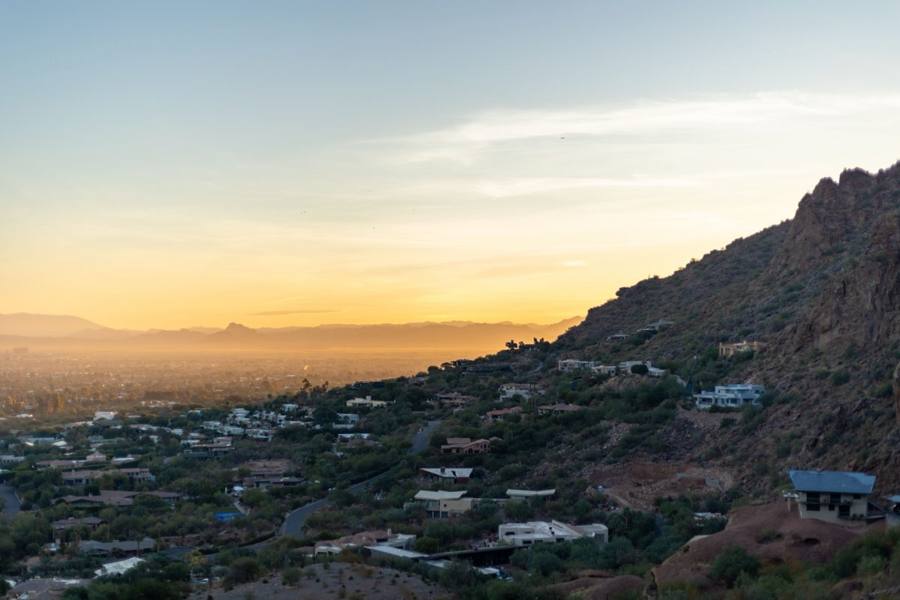
How to choose a realtor in Arizona: verify a license with the Arizona Department of Real Estate, understand buyer agreements, and know what to ask.

How Arizona property taxes work: limited property value, assessment ratios, the homeowner rebate, Prop 117, due dates, special districts and escrow impounds.
Call, text or book a free 15-minute call. No pressure, just straightforward answers.