How to Buy a House in Arizona: Complete Step-by-Step Guide
A step-by-step guide to buying a house in Arizona: budgeting, preapproval, touring, writing an offer, the inspection period and BINSR, escrow and closing.

Every step of an Arizona home purchase, explained in plain language, from your first lender conversation to the day you get your keys.
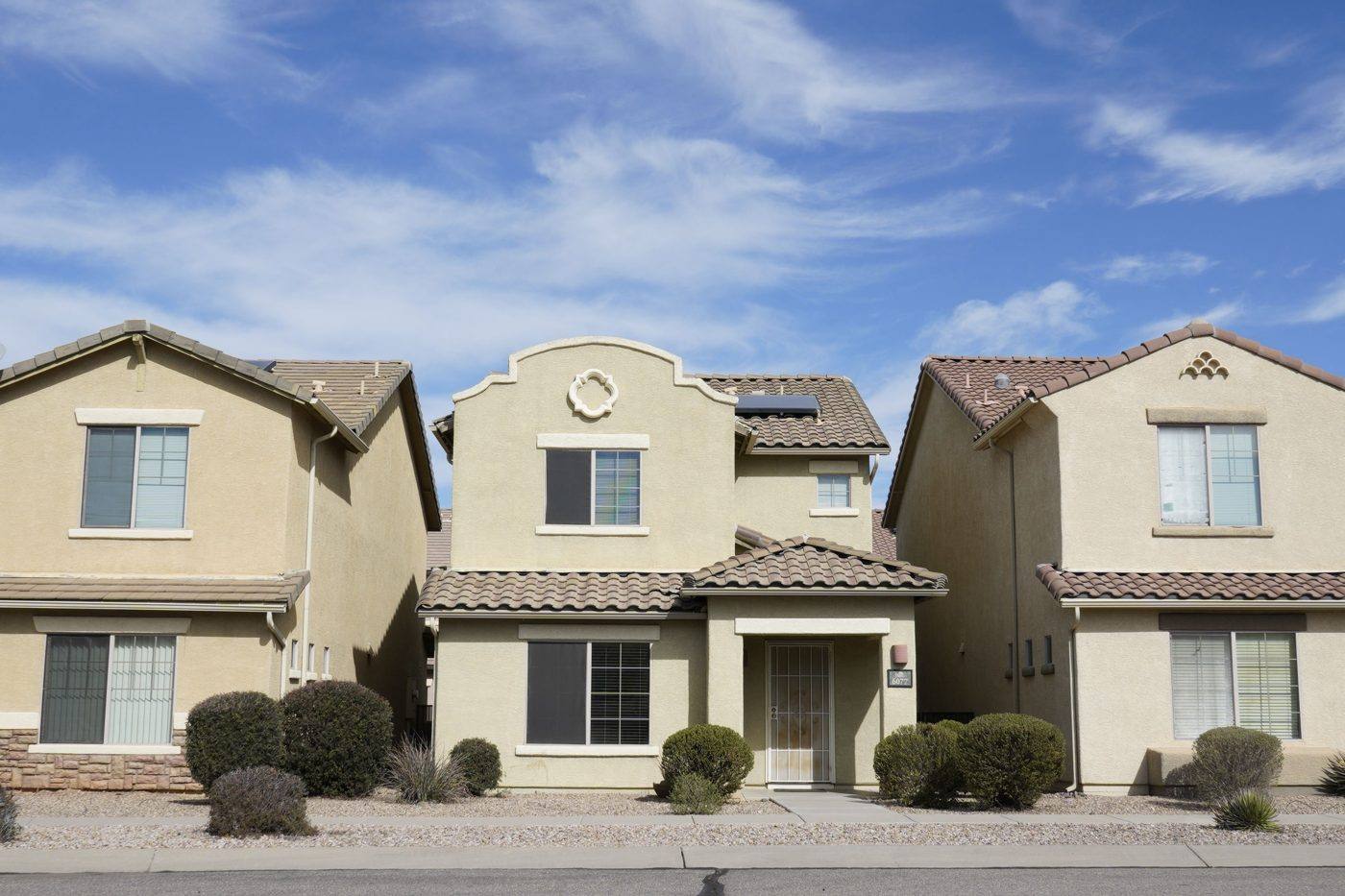
I’m Tatum Folkestad, a REALTOR® with W & Partners and The Local Group Real Estate Team. I grew up in the Arrowhead Lakes area of Glendale, I’m a University of Arizona student, and I help buyers across the West Valley, Greater Phoenix and Tucson. First-time buyers are my specialty, so this page is written for anyone who wants to understand the whole process before diving in.
Below you’ll find how an Arizona purchase usually unfolds: getting preapproved, planning your down payment and closing costs, finding assistance, writing an offer, earnest money, the inspection period, the appraisal and closing through escrow. It’s general information, not legal or lending advice, so you’ll want a lender and, where it matters, an attorney or CPA in your corner too.
Most Arizona purchases follow the same basic path, whether you’re buying a condo in Tucson or a single-family home in Surprise:
Once an offer is accepted, closing commonly takes about 30 to 45 days with financing, though the exact timeline is whatever the contract says. The search before that can take a few weeks or several months. The homebuying timeline tool lays this out week by week, and my article on how to buy a house in Arizona goes deeper on each step.
A preapproval is a lender’s written statement that, based on the income, asset and credit information you’ve provided, they’re prepared to lend you up to a certain amount, subject to conditions. It’s different from a quick prequalification, which is usually based on what you tell the lender without verification. The Consumer Financial Protection Bureau notes that the names get used loosely, so ask each lender exactly what they reviewed.
Most Arizona sellers expect a preapproval letter with an offer. To get one, lenders usually ask for:
Talk to more than one lender. Each one should give you a Loan Estimate after you apply, a standard form that makes it easier to compare interest rates, lender fees and cash to close. Remember that the amount a lender approves is a maximum, not a target. Decide on a monthly payment you’re comfortable with, including taxes, insurance and any HOA dues. The affordability calculator is a good place to start, and I’m happy to connect you with local lenders who work with first-time buyers.
You may need less than you think. Twenty percent down is not a requirement for most loans; it’s the point where conventional loans usually stop requiring private mortgage insurance. Common minimums look like this:
Putting down less means a larger loan and, often, mortgage insurance, so your monthly payment goes up. Putting down more lowers the payment but can leave you with less cash for repairs and emergencies. A lender can show you both versions side by side. Down payment funds generally need to be documented, and gifts from family are often allowed with a gift letter, depending on the loan. See how much money you need to buy a house in Arizona for a fuller breakdown.
Closing costs are the fees and prepaid items due when your loan and purchase close. The exact amount depends on your loan, price and lender, and your Loan Estimate and Closing Disclosure will list them. Typical buyer costs in Arizona include:
One cost you won’t see: Arizona has no state real estate transfer tax. A short affidavit of property value is filed with the deed, along with a small flat recording fee. You can ask the seller to contribute toward your closing costs as part of your offer, and some loan programs and down payment assistance can help too. My free Arizona Homebuying Costs Checklist lists everything to plan for.
Run your numbers: Mortgage calculator · Affordability calculator
There isn’t one magic credit score. Each loan type and lender has its own requirements. For example, HUD’s FHA rules allow 3.5% down for borrowers with a score of 580 or higher, with a larger down payment required for some lower scores, while many conventional loans look for scores in the 600s. Lenders can also set requirements above the program minimums, and your score affects your rate and mortgage insurance cost.
A few habits help while you get ready:
Your debt-to-income ratio (monthly debts compared with gross income) matters too, so paying down a car loan or card can sometimes help as much as a higher score. If your credit isn’t where you want it, a HUD-approved housing counselor can help you make a plan at little or no cost. More detail is in what credit score you need to buy a house.
Arizona has statewide, county and city programs that may help with your down payment, closing costs or both. A few examples buyers in my areas ask about:
Assistance can be a grant, a forgivable loan, a deferred loan or a repayable second loan, and most programs have income, credit and homebuyer education requirements. Some are not limited to first-time buyers. Funding and terms change, sometimes mid-year, so confirm current details with the program or an approved lender. You usually apply through a participating lender, not directly. My article on Arizona first-time homebuyer programs and the free down payment assistance guide explain how to compare options.
How down payment assistance works in Arizona, the main program types, and the questions to ask a lender.
Before we tour homes together, we’ll sign a written buyer agreement so the services and my compensation are clear. Compensation is negotiable, and sellers often offer to cover some or all of it, which we can also address in your offer.
When you find the right home, most Arizona offers are written on the Arizona REALTORS® Residential Resale Real Estate Purchase Contract. Beyond price, the offer covers:
I’ll prepare a list of recent comparable sales so we can talk through a price that makes sense, and we’ll discuss how competitive the situation looks. Sometimes there are multiple offers; sometimes there’s room to negotiate. The seller may accept, counter or reject. Once both sides sign, you’re under contract and the deadlines begin. The what happens after your offer is accepted article walks through the next few weeks.
Earnest money is a deposit that shows the seller you’re serious. In Arizona it’s typically held by the title and escrow company named in the contract, not by the seller or either agent. The amount is negotiable and is written into your offer. At closing, it’s credited toward your down payment and closing costs.
Whether you get it back if the deal falls apart depends on the contract. Under the Arizona REALTORS® contract, buyers who cancel properly within a contingency period, such as the inspection period, are generally entitled to its return, while missing deadlines or canceling for a reason the contract doesn’t allow can put it at risk. Read the contract carefully and ask questions.
Escrow is the neutral process that holds funds and documents until all conditions are met. Your escrow officer coordinates the title search, payoff of the seller’s loan, document signing and recording.
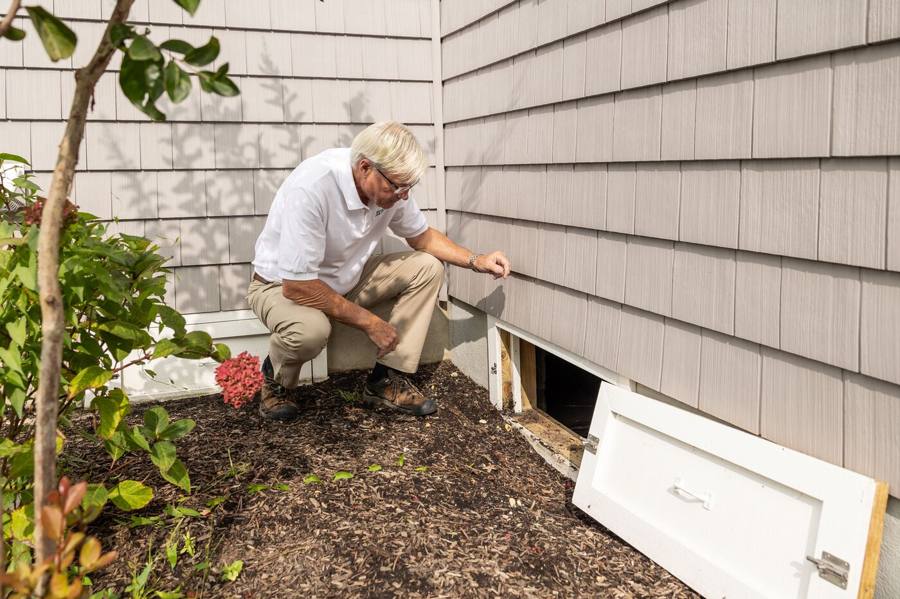
The Arizona REALTORS® purchase contract gives the buyer an inspection period, commonly 10 days unless you negotiate a different length. During that time you can inspect the property and review disclosures, including the Seller’s Property Disclosure Statement (SPDS), HOA documents and the title report.
Common inspections for Arizona homes include:
If the home has a pool, Arizona law requires the seller to give you the state’s pool safety notice. If it has solar, find out whether the panels are owned, financed or leased and review the paperwork.
Before the inspection period ends, you deliver a Buyer’s Inspection Notice and Seller’s Response (BINSR). On it you can accept the property, ask for repairs or credits, or cancel. The seller then has a set number of days to respond, and you have a short window to decide. I’ll keep every deadline on the calendar so nothing slips.
If you’re using a mortgage, your lender will order an appraisal from a licensed appraiser to confirm the home’s value supports the loan. The appraiser looks at the home’s condition and features and compares it with recent nearby sales. Some loans, like FHA and VA, also have minimum property standards the appraiser checks.
If the appraisal comes in at or above the price, the loan moves forward. If it comes in below, you have options to talk through with your lender and me, which may include:
Timing matters here. The contract’s appraisal provisions have their own short deadlines, so act quickly once you get the results. An appraisal is different from a home inspection: it’s about value, not a detailed condition report, so you’ll still want your own inspections.
In Arizona, closings are handled by a title and escrow company. Here’s what the last stretch usually looks like:
You’ll wire your remaining funds to close or bring a cashier’s check, as escrow directs. Again, verify wiring instructions by phone. Set up utilities in your name for the closing date. Depending on the address, electricity may be with APS, SRP or Tucson Electric Power, and water usually comes from the city.
New homes are a big part of the market in places like Buckeye, Surprise, Goodyear and parts of Peoria. New builds bring modern floor plans and builder warranties, but the process differs from a resale:
Read more in buying new construction in Arizona.
Helping first-time buyers is my favorite part of this work. A few things I’d tell any friend buying their first place:
If you’re renting now, the rent vs. buy calculator and my article on signs you’re ready to buy can help you decide on timing. For a full walkthrough designed around first-time buyers, see the first-time homebuyer page and the printable first-time homebuyer checklist.
A printable, step-by-step checklist that keeps your first purchase organized from budget to closing.
Run your numbers: Interactive homebuying timeline · Rent vs. buy calculator · Neighborhood finder
Once an offer is accepted, closing commonly takes about 30 to 45 days with financing, though your contract sets the actual date. Cash purchases can close faster. The search itself can take a few weeks to a few months depending on your budget, the areas you like and how many homes are available.
No. Many conventional loans allow as little as 3% down for eligible buyers, FHA loans allow 3.5% for qualifying credit, and VA and USDA loans may require no down payment for eligible buyers. Putting down less than 20% usually means paying mortgage insurance. A lender can compare options for you.
Earnest money is typically deposited with the title and escrow company named in the purchase contract. It is credited toward your costs at closing. Whether it is refundable if you cancel depends on the contract terms and whether you cancel within an allowed contingency period, so read the contract and keep track of deadlines.
BINSR stands for Buyer’s Inspection Notice and Seller’s Response, an Arizona REALTORS® form. During the inspection period, commonly 10 days, the buyer uses it to accept the property, request repairs or credits, or cancel. The seller then responds within the timeframe in the contract, and the buyer has a short window to decide.
No. Arizona does not charge a state real estate transfer tax, and the state constitution prohibits new ones. When a deed is recorded, an affidavit of property value is filed with it and the county recorder charges a small flat fee. You will still have normal closing costs such as lender, title and escrow fees.
We will talk about how I’m paid before we start touring, and you will sign a written buyer agreement so it is clear up front. Compensation is negotiable. In many cases sellers offer to cover some or all of the buyer’s agent fee, and that can be negotiated as part of your offer.
Sometimes. Some Arizona programs, such as the statewide Home Plus program, are not limited to first-time buyers, while others are. Many programs define a first-time buyer as someone who has not owned their residence in the past three years. Ask an approved lender which current programs fit your situation.
This page is general information, not legal, tax, lending or financial advice. I don’t guarantee any sale price, timeline or result. Program details change, so always confirm current terms.
We’ll talk about your budget, timeline, the areas you’re considering and next steps, including lenders and down payment assistance.
Prefer to talk now? Call or text 602-908-1719 or book a 15-minute call.

A step-by-step guide to buying a house in Arizona: budgeting, preapproval, touring, writing an offer, the inspection period and BINSR, escrow and closing.

A plain-language breakdown of the cash needed to buy a home in Arizona: earnest money, down payment, closing costs, prepaids and reserves, with examples.
What happens after your offer is accepted in Arizona: escrow, earnest money, the inspection period and BINSR, appraisal, loan approval and closing.

Call, text or book a free 15-minute call. No pressure, just straightforward answers.