
Best Neighborhoods in the West Valley for First-Time Buyers
A local's guide to West Valley neighborhoods for first-time buyers, compared by budget, commute, home age, HOA and new vs. resale in Glendale, Peoria and more.

New Construction Buying a Home West Valley Real Estate
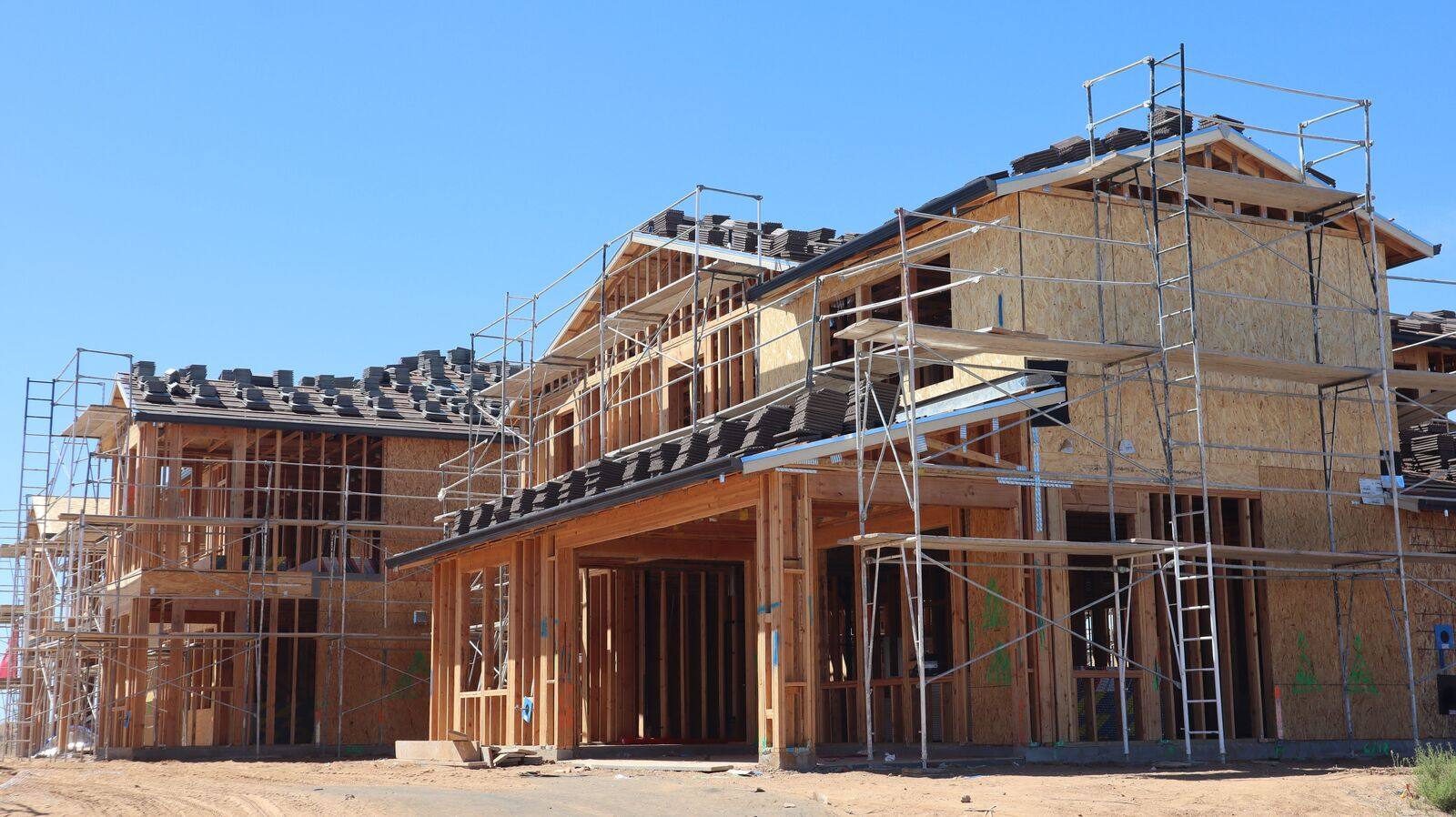
The short answer
Buying new construction in Arizona means signing the builder's own contract instead of the standard Arizona REALTORS® resale contract, so read it closely. Bring your own agent on your first visit, compare builder incentives against outside lenders, budget for lot premiums and upgrades, and check the HOA and any community facilities district (CFD) on the tax bill. Hire an independent inspector for pre-drywall and final inspections, and know your warranty and Registrar of Contractors options.
New construction is everywhere in the West Valley, from Buckeye and Surprise to north Peoria, west Glendale and Goodyear. Walking through a model home with fresh paint and big windows is exciting, and new homes can be a great fit for first-time buyers. But the process is different from buying a resale home in some important ways. Here's what I want you to know before you sign anything.
This is the tip I repeat most. Many builders require your agent to be with you, or registered, on your very first visit to the community or sales office. If you walk in alone and fill out a guest card, the builder may not allow you to add your own representation later.
The builder's sales consultant is friendly and helpful, but they work for the builder. Your own agent can help you compare communities and builders, review the contract, push back on pricing and upgrades where possible, keep track of deadlines and coordinate inspections. Talk with your agent ahead of time about how they're paid on a new build, since that's often handled by the builder but should be clear in writing.
When you buy a resale home in Arizona, you'll usually use the Arizona REALTORS® Residential Resale Real Estate Purchase Contract, which has standardized protections like a 10-day inspection period (unless changed) and specific rules for earnest money and repairs. Builders typically use their own purchase agreement, written by their attorneys.
Builder contracts commonly:
Read every page, ask questions, and consider having a real estate attorney review it. That's especially worth it if the contract feels one-sided or confusing.
In Arizona, a subdivider selling six or more lots generally must give buyers a public report from the Arizona Department of Real Estate (ADRE) before you sign. It covers things like utilities, streets, drainage, common areas, assessments, nearby land uses and restrictions. You'll sign a receipt saying you got it. ADRE doesn't independently verify what the developer writes, so treat it as a starting point. Public reports are searchable on the ADRE website, and ADRE's Property Buyer's Checklist is a great list of other things to research.
The advertised price is usually a base price for the plan on a standard lot with standard finishes. Your final price can climb with:
Model homes are often fully loaded with upgrades. Ask the sales consultant what's standard and what's an upgrade in every room. A useful rule of thumb: prioritize items that are hard or expensive to change later, like structural options, electrical, plumbing rough-ins and the lot itself. Paint, light fixtures and some flooring are easier to change down the road.
Also plan for things that may not be included, like backyard landscaping, window coverings, a refrigerator, washer and dryer, or garage cabinets. Those can add up after closing.
Builders often offer incentives such as closing cost credits, upgrade credits or mortgage rate buydowns. Many of these incentives require you to use the builder's preferred or affiliated lender or title company.
An incentive can be a good deal, but compare the whole package. Get a Loan Estimate from the builder's lender and at least one outside lender, then compare the interest rate, APR, points, lender fees and the cash you'll need at closing. The CFPB's Owning a Home resources explain how to compare Loan Estimates. Also ask how long a rate lock lasts, because a home that takes months to build may need an extended lock.
If you plan to use down payment assistance, check with the program and lender early, since not every builder lender participates in every program. My article on Arizona down payment assistance explains how these programs work.
Nearly every new West Valley community has an HOA, and some have both a master and a sub-association. Ask for the current fee, what it covers, the budget, and any capital contribution or transfer fees due at closing. In a new community, dues are sometimes set by the developer early on and may change once the community is fully built and owner-controlled.
Many newer master-planned communities also have a community facilities district (CFD), a special taxing district that pays for roads, water lines and other infrastructure, often through bonds repaid over years by homeowners. It appears on your property tax bill. Since the home is new, there may not be a full tax bill yet for the finished house, so ask the builder for an estimate including the CFD, and read the public report. Learn how the bill works in Arizona property taxes explained.
New doesn't mean perfect. Builders rely on many subcontractors, and city inspections check code compliance, not every detail of workmanship. I recommend hiring your own licensed home inspector at two points:
Check your builder contract for rules on outside inspections, such as scheduling notice and insurance requirements. Some buyers also schedule an inspection shortly before the builder's one-year warranty ends.
Most builders offer a written warranty, often with different terms for workmanship, systems and structural components. Read what's covered, for how long, how to file claims, and what's excluded. Keep a list of issues and submit warranty requests in writing.
Before you sign, look up the builder's license and complaint history with the Arizona Registrar of Contractors (ROC). If you have workmanship problems the builder won't fix, the ROC accepts complaints against licensed contractors. For new homes, a complaint generally must be filed within two years after the earlier of close of escrow or occupancy, so don't wait. The ROC also runs a Residential Contractors' Recovery Fund that may help homeowners in some situations, with limits. Arizona law also has specific notice and repair steps for construction defect claims, so talk to an attorney if you have a serious problem.
Ask the builder how they communicate construction updates and what happens if the home is delayed. My homebuying timeline tool can help you map out the steps.
New builds often offer modern floor plans, energy-efficient systems, warranties and fewer near-term repairs. Resale homes often come with finished yards, mature trees, window coverings and established neighborhoods, sometimes on bigger lots or without an HOA, and resale contracts give you a standard inspection period and room to negotiate repairs. New construction in the Phoenix area also tends to be farther out, along the Loop 303, in Buckeye, Surprise and north Peoria, so check your commute. I'm happy to show you both side by side. See my area guides for Buckeye, Surprise and Goodyear for local context.
An empty field behind a new community might become more homes, a school, a shopping center or a freeway. Check the public report's section on nearby land, look at the city's planning and zoning maps, and review ADOT's plans for future roads. It's worth knowing before you pay a premium for a view lot.
If you're curious about new construction, grab my free Arizona homebuyer's guide and let me know before you tour your first model. I'd love to come along.
You don't have to, but it's often helpful. The builder's sales team represents the builder. Your own agent can review the contract, compare communities, track deadlines and coordinate inspections. Many builders require your agent to be with you or registered on your first visit, so bring them from the start.
Yes. City inspections check code, not every detail of workmanship. Many buyers hire an independent inspector for a pre-drywall inspection and a final inspection before the walkthrough, and some add one before the builder's one-year warranty ends. Check your contract for the builder's inspection rules.
Usually not, but some incentives depend on using the builder's preferred lender. Get Loan Estimates from the builder's lender and at least one outside lender, then compare rate, APR, fees and cash to close to see which is actually the better deal.
A community facilities district is a special taxing district that pays for infrastructure like roads and water lines in many newer communities. It appears on your property tax bill in addition to regular taxes and HOA dues. Ask the builder for a tax estimate and check the ADRE public report.
The Arizona Registrar of Contractors handles complaints against licensed contractors, including homebuilders. For a new home, a complaint generally must be filed within two years after the earlier of close of escrow or occupancy. Check roc.az.gov for current rules, and consult an attorney for serious defect issues.
This article is general information, not legal, tax, lending or financial advice. Programs, rules and costs change, so confirm details with the right professional for your situation.
Get a plan that fits your budget, timeline and the areas you love. I’ll explain every step in plain language. Start with the free Arizona Homebuyer's Guide, sent straight to your inbox.
Prefer to talk? Book a free 15-minute call or call/text 602-908-1719.
A local's guide to West Valley neighborhoods for first-time buyers, compared by budget, commute, home age, HOA and new vs. resale in Glendale, Peoria and more.

How Arizona property taxes work: limited property value, assessment ratios, the homeowner rebate, Prop 117, due dates, special districts and escrow impounds.

A step-by-step guide to buying a house in Arizona: budgeting, preapproval, touring, writing an offer, the inspection period and BINSR, escrow and closing.