Moving to Arizona: Complete Relocation Guide
Moving to Arizona? Climate, regions from the West Valley to Tucson, utilities, water, MVD and car registration, HOAs, pools and buying from out of state.
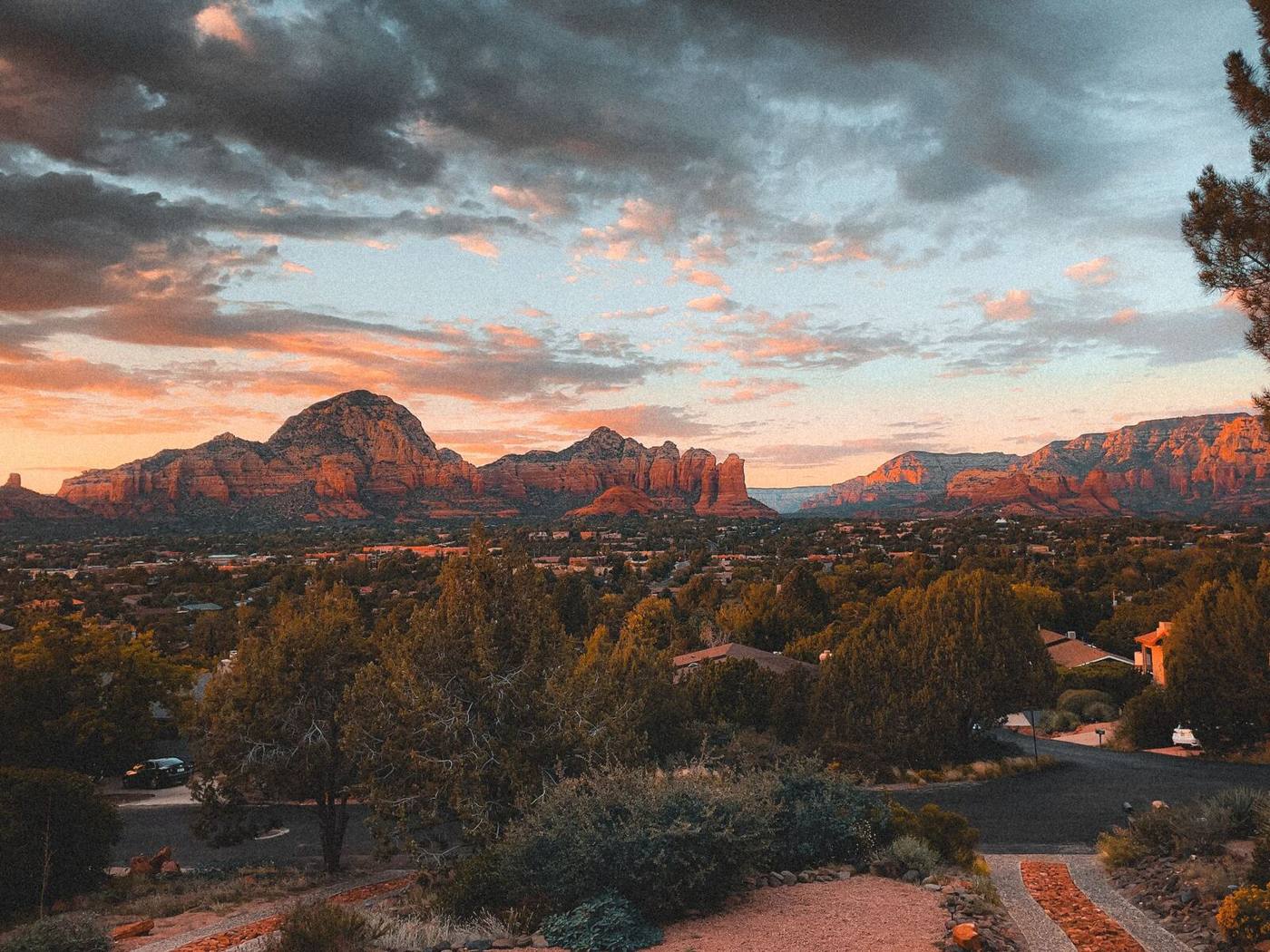
What to know before you move to the Valley or Tucson: regions, climate, costs, choosing an area and buying a home from out of state.
I’m Tatum Folkestad, a REALTOR® with W & Partners and The Local Group Real Estate Team. I grew up in the Arrowhead Lakes area of Glendale, I’m a University of Arizona student in Tucson, and I help people moving to the West Valley, Greater Phoenix and Tucson find a home that fits.
Moving to a new state is exciting and a little overwhelming. This page covers the big questions I hear from people relocating: how the regions differ, what the climate is really like, what affects housing costs, and how to buy a home when you can’t be here for every showing. For a deeper read, see my Arizona relocation guide article.
People relocate to Arizona for all kinds of reasons: a new job, being closer to family, a change of pace, or wanting more sunshine and outdoor time. What draws people tends to be a mix of things:
Arizona isn’t for everyone. Summers are long and hot, distances can be large, and many areas are car-dependent. I’d rather you know the tradeoffs before you move. If you can, visit in both summer and winter before committing.
Most people relocating focus on the Phoenix metro area (often called “the Valley”) or Tucson. Here’s a simple overview of the areas I serve:
Glendale, Peoria, Surprise, Arrowhead Lakes, Goodyear, Buckeye, Avondale and Litchfield Park. A mix of established neighborhoods and newer master-planned communities, with growth continuing west along I-10 and the Loop 303. This is where I grew up.
Phoenix is a big city with many distinct neighborhoods, from historic districts to newer subdivisions. Scottsdale offers resort-style amenities, golf and desert views.
Tempe, Mesa, Chandler, Gilbert and Queen Creek range from college-town energy near ASU to suburban neighborhoods and newer communities on the far edge.
Places like Sun City are age-restricted 55+ communities with their own rules and amenities.
Tucson, about two hours southeast of Phoenix, sits at a higher elevation surrounded by mountain ranges, with a distinct feel and the University of Arizona at its center.
Browse all of them on the areas page.
Compare areas side by side: Glendale, Peoria, Surprise, Arrowhead Lakes, Goodyear, Buckeye, Avondale, Litchfield Park, Phoenix, Scottsdale, Tucson. Or try the neighborhood finder.
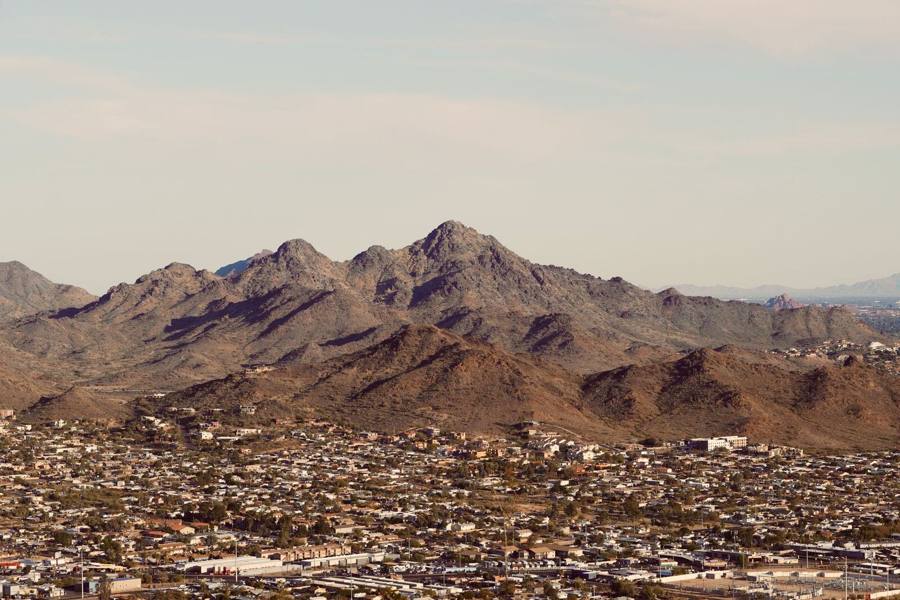
The Sonoran Desert climate shapes daily life and home ownership here.
For homeowners, climate means a few priorities: a reliable, well-maintained air conditioning system; good insulation, shade and window coverings; a roof in good shape; and landscaping and irrigation suited to the desert. Water matters too. Arizona manages groundwater carefully, and the Arizona Department of Water Resources is the place to learn how water supply works for an area, especially if you’re considering rural property with a well.
Arizona also doesn’t observe daylight saving time (the Navajo Nation is an exception), so the clocks stay put year-round.
Costs vary a lot by city and neighborhood, so I won’t throw out one statewide number. Each area page lists a recent median price with its source and time period. Here’s what to plan for beyond the price:
Closing costs are covered on the buy page. Arizona has no state real estate transfer tax. Use the mortgage calculator to estimate a full monthly payment.
Run your numbers: Affordability calculator · Rent vs. buy calculator
The Valley is spread out, so where you buy shapes your daily routine. I’d start with these questions:
The neighborhood quiz is a fun way to narrow things down, and the free West Valley Neighborhood Guide compares eight West Valley communities. If you’re torn between two cities, my Glendale vs. Peoria article is a good example of how to compare them.
Plenty of people buy in Arizona before they’ve moved here. It takes a bit more planning, but it’s very doable.
Earnest money is held by the title and escrow company, and the contract deadlines are the same whether you’re local or not, so stay reachable throughout. My free Arizona Relocation Guide has more tips for buying from a distance.
What to know before moving to Arizona: climate, communities, costs and how to buy from out of state.
Every move is different, but a typical plan looks something like this:
Renting first can make sense if you’re unsure where you want to live or your move date is uncertain. Buying first can save a second move. There’s no single right answer, and I’m happy to talk through both. The homebuying timeline tool can help you map your dates.
Once you’ve landed, a few things are worth tackling early:
Watch for your first property tax and mortgage statements. If you have questions after closing, about anything from HOA rules to a good handyman, reach out. I’m happy to help.
It depends on how sure you are about the area and your timeline. Renting first gives you time to learn the Valley or Tucson but means two moves. Buying right away can save that second move if you’ve done your research. I’m happy to help you compare both, and the rent vs. buy calculator can help with the numbers.
Yes, many buyers do. With live video tours, electronic signatures and thorough inspections, you can buy from out of state. I still recommend visiting at least once if you can. Ask the title and escrow company about remote or mobile signing options for closing, and always verify wiring instructions by phone.
Summer highs are commonly above 100°F in the Phoenix area, and the hot season is long. Monsoon season, which the National Weather Service defines as June 15 to September 30, can bring dust storms and heavy rain. Fall, winter and spring are generally mild. Check the National Weather Service Phoenix office for climate data.
Both are parts of the Phoenix metro area. The West Valley includes cities like Glendale, Peoria, Surprise, Goodyear, Buckeye and Avondale; the East Valley includes Tempe, Mesa, Chandler, Gilbert and Queen Creek. Each has established neighborhoods and newer communities. Commute, budget and lifestyle usually decide which fits you best.
No. Arizona does not charge a state real estate transfer tax. An affidavit of property value is filed when the deed records, and the county recorder charges a small flat fee. You will still have normal closing costs like lender, title and escrow fees.
No. Most of Arizona stays on Mountain Standard Time all year. The Navajo Nation, in northeastern Arizona, does observe daylight saving time. It’s worth remembering when scheduling calls with family or coworkers in other states.
Yes. I’m a University of Arizona student and help buyers in Tucson in addition to the West Valley and Greater Phoenix. Tucson has its own neighborhoods, assessor and down payment programs, so we’ll look at it on its own terms. See the Tucson area page for an overview.
This page is general information, not legal, tax, lending or financial advice. I don’t guarantee any sale price, timeline or result. Program details change, so always confirm current terms.
Tell me where you’re moving from, your timeline and what matters most. I’ll suggest areas to explore and explain how buying from out of state works.
Prefer to talk now? Call or text 602-908-1719 or book a 15-minute call.
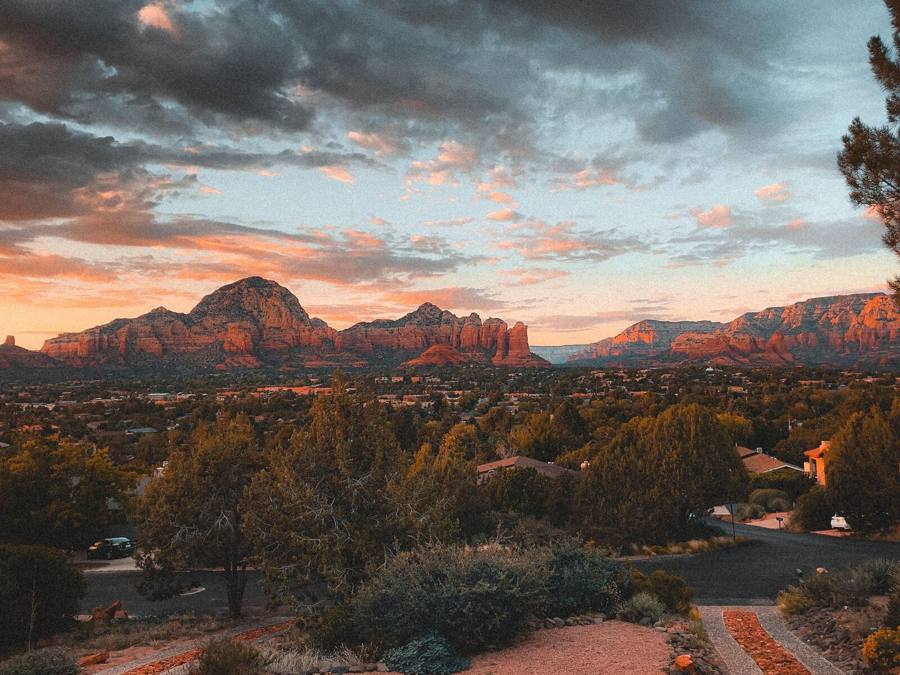
Moving to Arizona? Climate, regions from the West Valley to Tucson, utilities, water, MVD and car registration, HOAs, pools and buying from out of state.
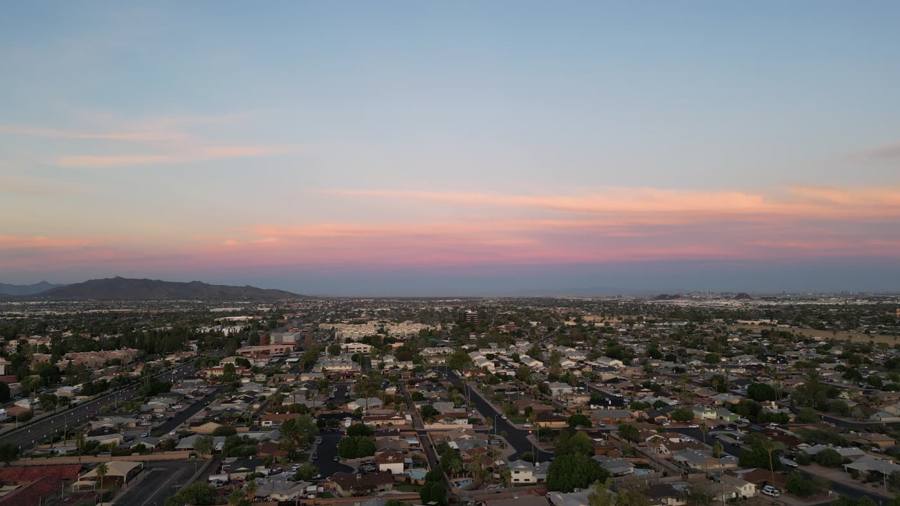
A local's guide for first-time homebuyers in the West Valley, including Glendale, Peoria, Surprise, Goodyear and Avondale.
Glendale or Peoria? A side-by-side look at home prices, housing types, HOAs, commutes, new construction and recreation from a REALTOR® who grew up in Glendale.
Call, text or book a free 15-minute call. No pressure, just straightforward answers.