
Buying Your First Home in the West Valley: A Local's Guide
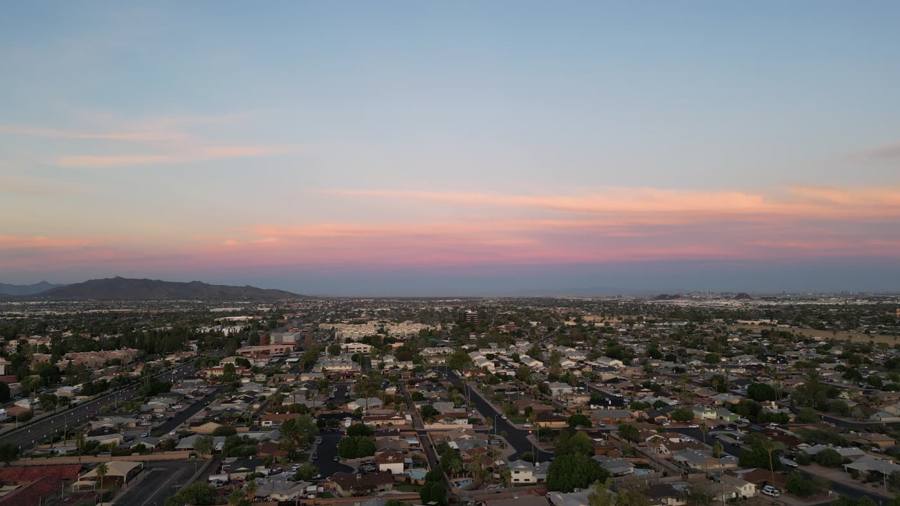
A local's guide for first-time homebuyers in the West Valley, including Glendale, Peoria, Surprise, Goodyear and Avondale.

First-Time Homebuyers West Valley Real Estate Neighborhood Guides
The short answer
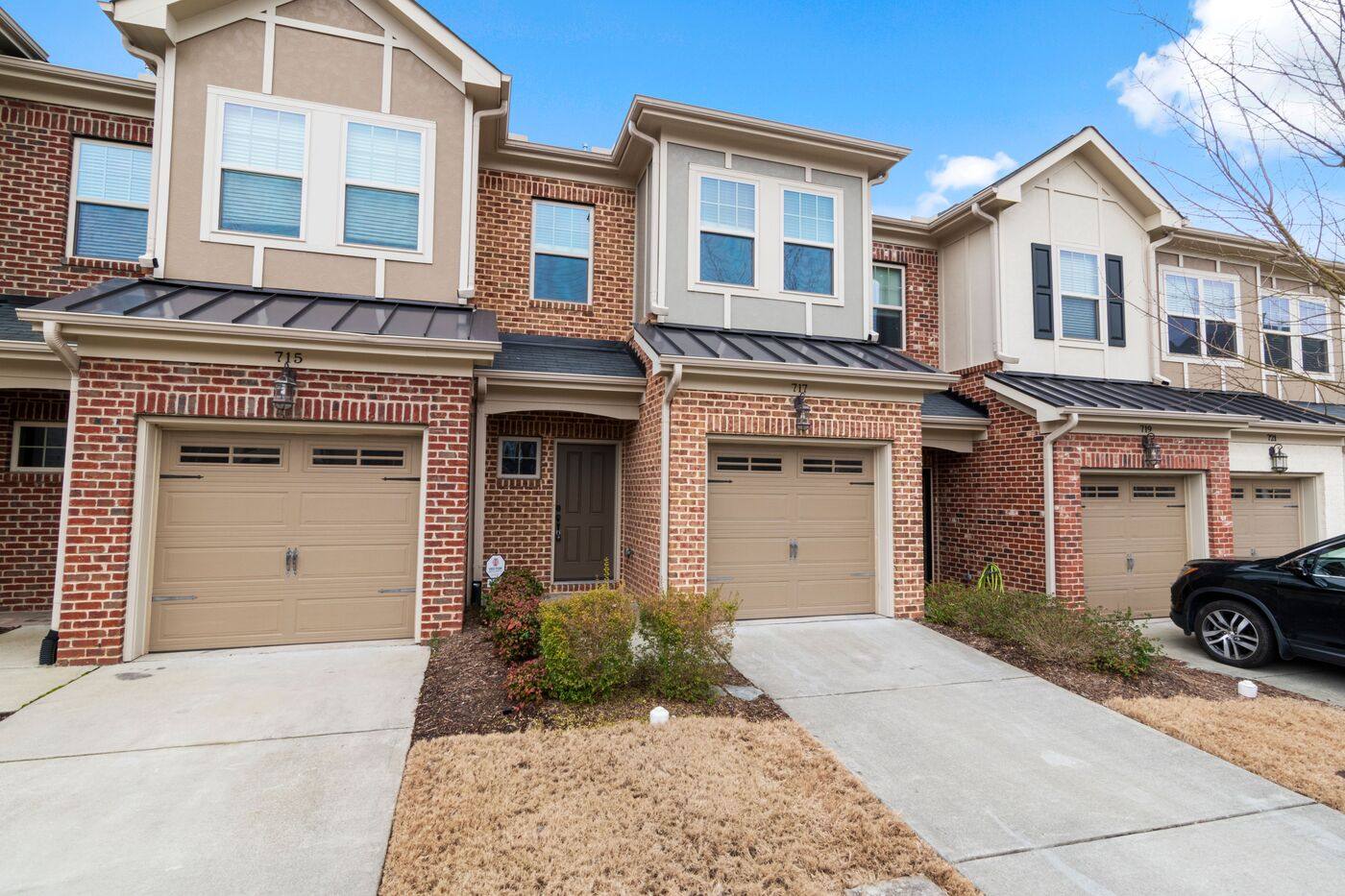
There isn't one best West Valley neighborhood for first-time buyers. The right fit depends on your budget, your commute, how old a home you're comfortable with, and how you feel about HOAs and new construction. Glendale, Avondale and Buckeye have recently had some of the lower citywide medians, Surprise and Goodyear offer lots of newer homes, and Peoria tends to run higher. Pick two or three areas that match your numbers and drive them before you decide.
I grew up in Arrowhead Lakes in Glendale, and the question I get most from first-time buyers is some version of "Where should I look?" My honest answer is that the best neighborhood is the one that fits your budget, your drive and the kind of home you want to own. So instead of a ranked list, this guide sorts the West Valley by the things that actually change your day-to-day life and your monthly payment.
Before you fall in love with a city, get a real number from a lender and run it through my affordability calculator. Then remember that your monthly payment is more than principal and interest. Property taxes, homeowners insurance, HOA dues and, in some newer communities, a community facilities district (CFD) assessment can all land on the same bill.
For a rough sense of where prices sit, here are recent citywide median sold prices from Resideline for the six months ending August 2026:
| City | Median sold price |
|---|---|
| Buckeye | About $400,000 |
| Glendale | About $405,000 |
| Avondale | About $410,500 |
| Surprise | About $425,000 |
| Goodyear | About $471,000 |
| Peoria | About $495,500 |
A median is the middle of everything that sold, from condos to large homes, so it's a starting point, not a price tag. Every city on this list has homes well above and well below its median. If you want current numbers for a specific neighborhood, ask me and I'll pull recent sales.
If your priority is a shorter drive to central Phoenix and you don't mind an older home, the closer-in parts of the West Valley are worth a hard look.
Much of south and central Glendale was built decades ago, so you'll find single-level block and stucco homes, mature trees and a lot of neighborhoods with no HOA. That can mean room for an RV pad, a workshop or simply fewer rules. The tradeoff is age: plan your inspection around roofs, plumbing, electrical panels, ductwork and AC units, and budget for updates. Historic Downtown Glendale and Catlin Court are nearby for local shops, and Grand Avenue and I-17 are close for commuting.
Most Avondale homes were built in the late 1990s and 2000s, which often lands in a sweet spot for first-time buyers: newer than mid-century homes, but usually priced below brand-new construction. Communities like Garden Lakes and Rancho Santa Fe have parks and walking paths, and many have an HOA with fees for common areas. I-10 and the Loop 101 are right there. Older homes near Historic Avondale along Western Avenue often have no HOA.
Peoria's citywide median runs higher than its neighbors, but that number is pulled up by newer, larger homes in the north. South Peoria, around Old Town and the Peoria Sports Complex area, has established resale neighborhoods that can be a more realistic entry point, with Loop 101 access and the P83 entertainment area nearby.
A lot of the West Valley was built in the 2000s, and those neighborhoods are often my favorite place for first-time buyers to compare. The homes are typically 15 to 25 years old, the landscaping is grown in, and the yards and window coverings are already done, which is money a new-build buyer often spends after closing.
With homes this age, the big-ticket items to ask about are the AC system, water heater, roof underlayment and any pool equipment. They may be original, and original in Arizona often means near the end of their life.
New construction is concentrated along and west of the Loop 303 and in Buckeye, Surprise, west Glendale, north Peoria and parts of Goodyear. For a first-time buyer, a new home can mean lower near-term maintenance, a builder warranty, energy-efficient systems and sometimes builder incentives toward closing costs or a rate buydown.
The tradeoffs are real, though. Base prices often don't include upgrades, yards may not be finished, commutes can be longer, and many of these communities have both an HOA and a CFD line on the tax bill. I cover all of this in what to know before buying new construction in Arizona. One important tip: bring your agent on your very first visit to a builder's sales office, because many builders won't let you add representation later.
If single-family prices are a stretch, a condo or townhome can be a practical first step. You'll find them across Glendale (including near Westgate and Arrowhead), Peoria and Avondale. Exterior maintenance is often covered by the HOA, which helps if you don't want yard work.
Look closely at the HOA's budget, reserves and rules on rentals, pets and parking, and ask whether any special assessments are planned. Also check with your lender early: some loan types have project approval requirements for condos, and that can narrow your options.
The West Valley is big. A home that looks like a deal on a map can come with a drive that eats your evenings. The main routes are:
Drive your route at the time you'd actually be on it, ideally on a weekday. If you'd use transit, check routes and schedules on Valley Metro, and check AZ511 from ADOT for construction and closures. Freeway projects in the West Valley change over time, so an ADOT map of planned improvements is worth a look too.
Neither is better. An HOA can keep common areas, pools and parks maintained, but it adds a monthly fee and rules about paint colors, parking, RVs, rentals and yard upkeep. Larger master-planned communities sometimes have two associations, a master and a sub-association, so add both fees together. Also ask about transfer or capital contribution fees charged at closing.
Many older neighborhoods in south and central Glendale, south Peoria and around Historic Avondale have no HOA. Nearly every Buckeye and Surprise community does.
Programs like those I cover in Arizona first-time homebuyer programs and Arizona down payment assistance explained may make a pricier area reachable, or let you keep more savings for repairs. Some programs have income limits, price limits or geographic rules, so confirm current terms with an approved lender before you lock in your search area.
If you want a starting point, my neighborhood quiz can help you think through priorities, and my free West Valley neighborhood guide goes city by city. I'm always happy to talk it through and show you a few areas in person.
It changes over time and depends on the type of home. For the six months ending August 2026, Resideline showed citywide median sold prices of about $400,000 in Buckeye, $405,000 in Glendale and $410,500 in Avondale. Condos and townhomes in many cities can sell for much less than single-family homes, so look at the type of home you want, not just the city.
Neither is automatically better. New homes often come with warranties, newer systems and builder incentives, but may have unfinished yards, longer commutes, HOAs and CFD assessments. Resale homes often come with landscaping and window coverings and sometimes no HOA, but older systems may need replacing sooner. Touring both helps you decide.
Many older neighborhoods in south and central Glendale, south Peoria and around Historic Avondale were built without HOAs. Most newer master-planned communities in Surprise, Buckeye, Goodyear and north Peoria have one. Always confirm on the specific home, since a single subdivision can differ from the one next door.
Look up which district serves the specific address, since district boundaries don't follow city lines. Then research schools yourself through the Arizona Department of Education and the district's own website. I can help you find the district for any home we look at.
This article is general information, not legal, tax, lending or financial advice. Programs, rules and costs change, so confirm details with the right professional for your situation.
Get a plan that fits your budget, timeline and the areas you love. I’ll explain every step in plain language. Start with the free West Valley Neighborhood Guide, sent straight to your inbox.
Prefer to talk? Book a free 15-minute call or call/text 602-908-1719.
A local's guide for first-time homebuyers in the West Valley, including Glendale, Peoria, Surprise, Goodyear and Avondale.
Glendale or Peoria? A side-by-side look at home prices, housing types, HOAs, commutes, new construction and recreation from a REALTOR® who grew up in Glendale.
A plain-language guide to first time home buyer programs Arizona buyers can use: down payment help, city and county options, who qualifies and how to apply.