
Best Neighborhoods in the West Valley for First-Time Buyers
A local's guide to West Valley neighborhoods for first-time buyers, compared by budget, commute, home age, HOA and new vs. resale in Glendale, Peoria and more.

Neighborhood Guides West Valley Real Estate Buying a Home
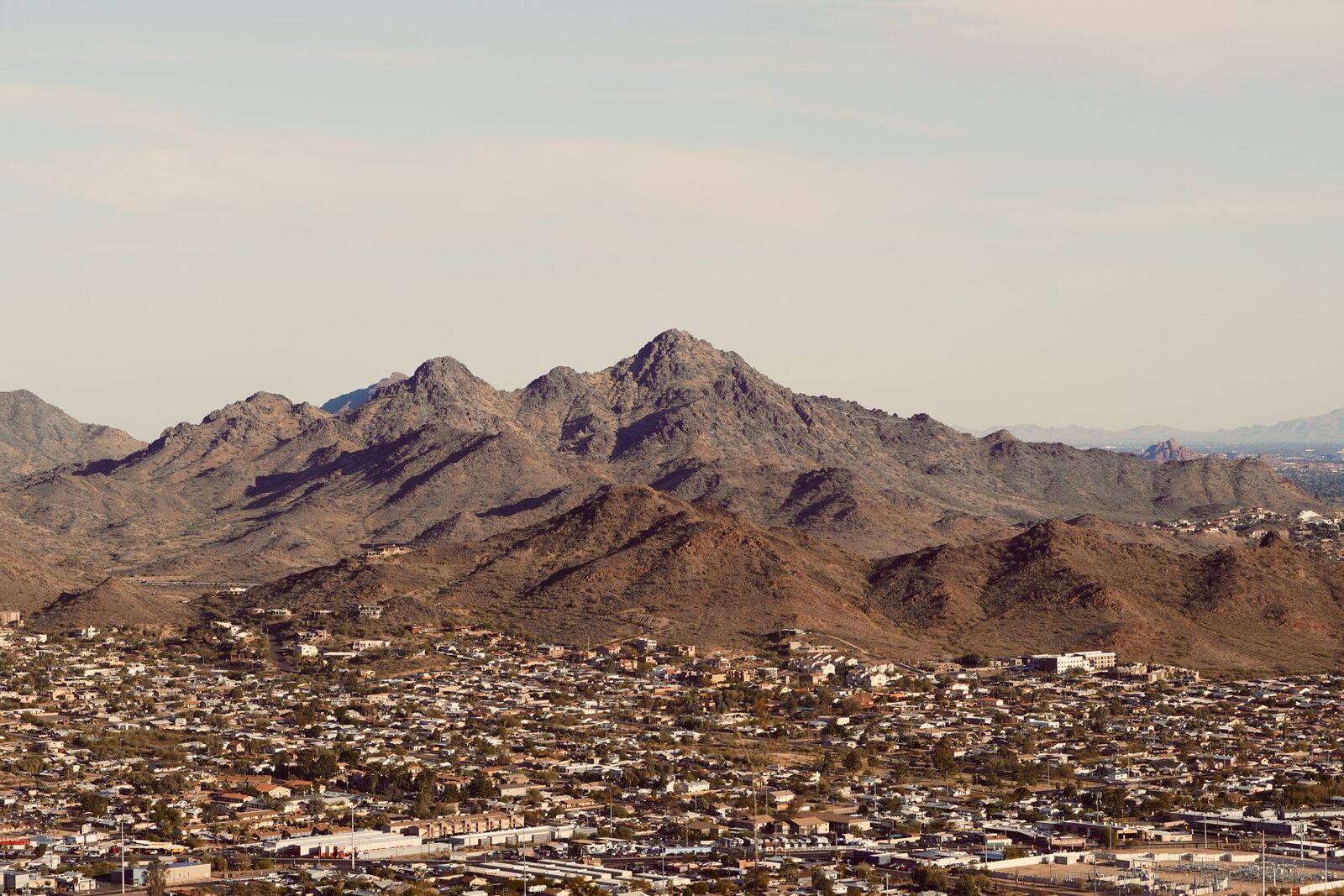
The short answer
Glendale and Peoria sit side by side and share a lot, but they tend to suit different priorities. Glendale generally has a wider range of prices, more older homes without HOAs, and quicker access to central Phoenix and the stadium district. Peoria stretches farther north, has more newer master-planned communities and Lake Pleasant, and its citywide median has recently run higher. Your budget, commute and home-age preference usually decide it.
I grew up in Arrowhead Lakes, which sits right near the Glendale-Peoria line, so I spent a lot of my childhood bouncing between the two. Plenty of people don't even notice when they cross from one into the other. Still, the two cities have real differences in housing, layout and price that matter when you're buying. Here's how I'd help a friend choose.
| Glendale | Peoria | |
|---|---|---|
| Median sold price* | About $405,000 | About $495,500 |
| Layout | Compact, closer to central Phoenix, runs west toward the Loop 303 | Long and narrow, stretching from near Grand Avenue north to Lake Pleasant |
| Typical homes | Mid-century homes in the south and center, 1990s–2000s homes up north, newer builds out west, plus condos and townhomes | Established homes in south Peoria, newer master-planned communities in north Peoria |
| HOAs | Many older neighborhoods have none; Arrowhead Ranch and newer areas usually do | Most north Peoria communities have one, sometimes two; some south Peoria areas have none |
| New construction | Mostly west Glendale toward the Loop 303 | Mostly north Peoria, including Vistancia and along the Loop 303 |
| Main routes | Loop 101, Grand Avenue, I-17 nearby | Loop 101, Loop 303, Lake Pleasant Parkway, Grand Avenue |
| Big draws | State Farm Stadium, Westgate, Desert Diamond Arena, Historic Downtown, Thunderbird Conservation Park | Lake Pleasant Regional Park, Peoria Sports Complex and P83, Old Town Peoria |
*Resideline, median sold price, citywide, six months ending August 2026. Medians include every type of home sold and change over time.
On paper, Peoria's median is noticeably higher than Glendale's. A big reason is the mix of homes. Peoria has a lot of newer, larger homes in its northern communities, which pulls its median up. Glendale has more older, smaller homes and more condos and townhomes, which pulls its median down.
That means the two cities overlap more than the medians suggest. A 2000s home in north Glendale near Arrowhead may price similarly to one a mile away in Peoria, while south Peoria can be competitive with central Glendale. When you compare, compare similar homes: same age range, size, lot and HOA situation. I'm happy to pull recent sales for the exact neighborhoods you're considering, and my article on how home values are set explains what really moves a price.
Glendale has some of the most variety in the West Valley. South and central Glendale have established neighborhoods with mid-century ranch homes and older block construction, plus historic bungalows around Catlin Court. North Glendale, including Arrowhead Lakes and the rest of Arrowhead Ranch, was largely built in the late 1980s through the 2000s and includes lakefront homes and golf course communities. West Glendale near Westgate and toward the Loop 303 has newer homes and condos.
Peoria's housing generally gets newer as you go north. South Peoria near Old Town has older, often smaller homes. The central part of the city, including communities like Fletcher Heights, has homes largely from the 1990s and 2000s. North Peoria has newer master-planned communities like Vistancia, plus hillside homes near Westwing Mountain with views and quick access to Lake Pleasant.
If you want a home with newer systems and a builder warranty, north Peoria and west Glendale are the places to focus. If you want mature trees, a bigger lot or no HOA, south and central Glendale and south Peoria usually offer more options.
HOAs are one of the clearest differences. Many older Glendale neighborhoods have no association, which some buyers love because it can mean room for an RV, fewer design rules and no monthly dues. In north Peoria, almost every community has an HOA, and larger master-planned communities can have a master association plus a sub-association. Those HOAs often maintain parks, trails, pools and community centers.
Newer communities in either city may also have a community facilities district (CFD) or other special district line on the property tax bill. Look at the full tax bill on the Maricopa County Treasurer site, not just the HOA fee, so you can compare the true monthly cost. My guide to Arizona property taxes walks through how to read it.
Glendale is generally closer to central Phoenix. From central and south Glendale, Grand Avenue, I-17 and the Loop 101 put downtown Phoenix within reach, and the stadium district sits right off the 101.
Peoria's commute depends heavily on where you live. South Peoria is comparable to Glendale. North Peoria can add real time to a downtown Phoenix commute, although the Loop 303 makes it easier to reach west and northwest job centers. Valley Metro runs bus service in both cities; check Valley Metro for current routes. Whichever city you're leaning toward, drive your actual commute at rush hour before you make an offer.
Glendale is the West Valley's event hub. State Farm Stadium and Desert Diamond Arena host football, concerts and big events, and Westgate and the Tanger Outlets are next door. Historic Downtown Glendale has antique shops and cafes and hosts Glendale Glitters during the holidays. For outdoor time, Thunderbird Conservation Park in north Glendale has hiking trails, and Sahuaro Ranch Park is a historic ranch site with gardens. Arrowhead Towne Center is the big regional mall.
Peoria leans outdoors. Lake Pleasant Regional Park is a big draw for boating, kayaking, hiking and camping. The Peoria Sports Complex hosts MLB spring training, and the surrounding P83 area has restaurants. Pioneer Community Park and Rio Vista Community Park offer sports fields and recreation facilities. Park West has open-air shopping and dining.
Because the cities border each other, you'll likely use amenities in both no matter where you live.
Both cities have new building, but in different places. In Glendale, most new construction is on the west side, out toward the Loop 303. In Peoria, it's concentrated in the north, including Vistancia and communities along the Loop 303. If you're considering a new build in either, read what to know before buying new construction in Arizona first, and bring your agent to your very first builder visit.
Both cities provide services like water, trash and parks for most addresses, and each has its own rates and programs, so check the City of Glendale and City of Peoria websites for the specific address. School districts don't follow city lines here. Several districts serve each city, and Peoria Unified, for example, serves parts of both Glendale and Peoria. Look up the district for any home you're considering and research schools yourself through the Arizona Department of Education.
Glendale may suit you if you:
Peoria may suit you if you:
Honestly, plenty of buyers end up just over the line from where they started looking. Read my full Glendale and Peoria area guides, try the neighborhood quiz, and grab my free West Valley neighborhood guide. Then let's tour a few homes in each so you can feel the difference.
Peoria's citywide median has recently been higher: about $495,500 versus about $405,000 in Glendale (Resideline, median sold price, six months ending August 2026). Much of that gap comes from the mix of homes, since Peoria has more newer, larger homes in the north and Glendale has more older homes, condos and townhomes. Comparable homes near the city line can be priced similarly.
Glendale generally has more non-HOA options, especially in its older south and central neighborhoods. South Peoria also has some. Most north Peoria and newer Glendale communities have an HOA, and some have two. Always check the specific home's disclosures.
Central and south Glendale are usually closer to downtown Phoenix, with Grand Avenue, I-17 and the Loop 101 nearby. South Peoria is similar, but north Peoria can add significant drive time. Test your route at rush hour before deciding.
Arrowhead Ranch, including Arrowhead Lakes, is in north Glendale near the Peoria border. Arrowhead Towne Center is in Glendale too. Some nearby addresses with Arrowhead-style names are in Peoria, so always confirm the city for a specific property.
This article is general information, not legal, tax, lending or financial advice. Programs, rules and costs change, so confirm details with the right professional for your situation.
Get a plan that fits your budget, timeline and the areas you love. I’ll explain every step in plain language. Start with the free West Valley Neighborhood Guide, sent straight to your inbox.
Prefer to talk? Book a free 15-minute call or call/text 602-908-1719.
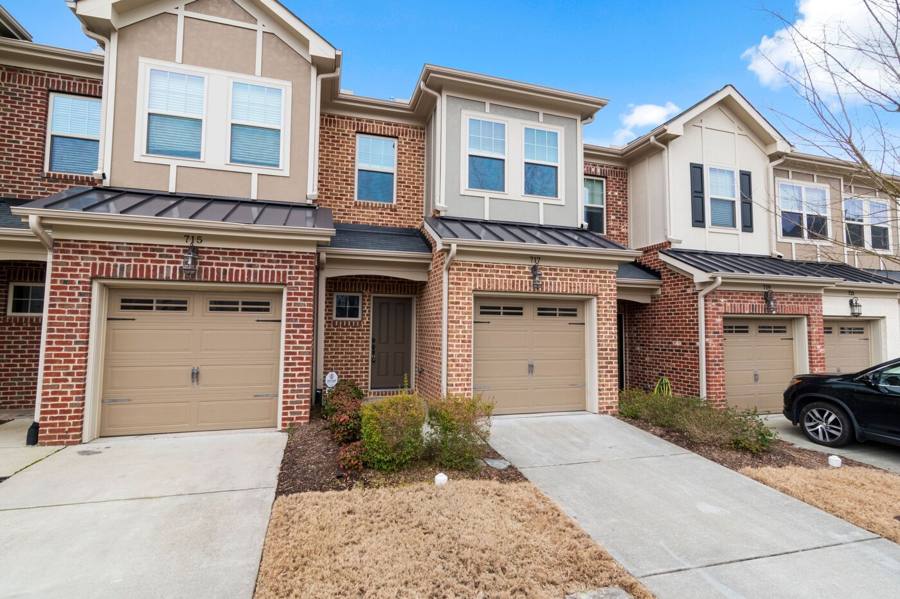
A local's guide to West Valley neighborhoods for first-time buyers, compared by budget, commute, home age, HOA and new vs. resale in Glendale, Peoria and more.
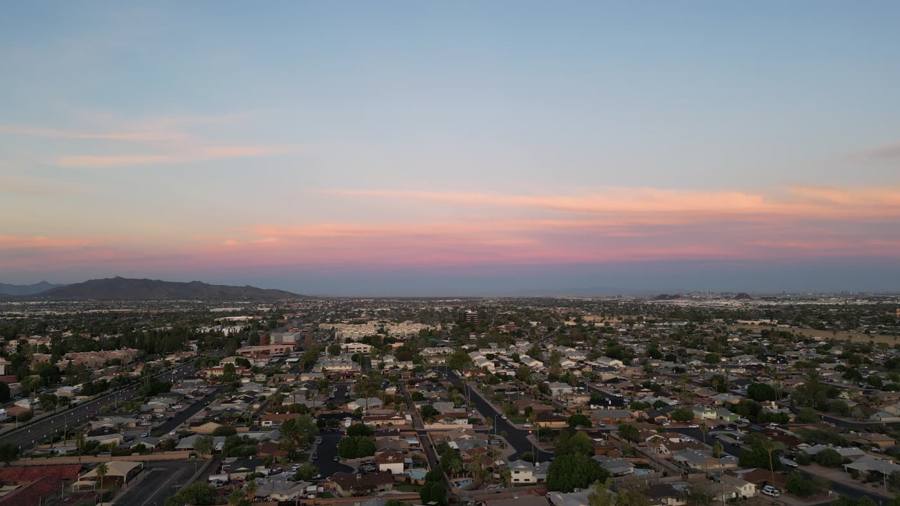
A local's guide for first-time homebuyers in the West Valley, including Glendale, Peoria, Surprise, Goodyear and Avondale.

How Arizona property taxes work: limited property value, assessment ratios, the homeowner rebate, Prop 117, due dates, special districts and escrow impounds.