
Arizona First-Time Home Buyer Programs: A Simple Guide
A plain-language guide to first time home buyer programs Arizona buyers can use: down payment help, city and county options, who qualifies and how to apply.

Buying a Home Financing and Mortgages Arizona Real Estate

The short answer
The cash you need to buy a house in Arizona is your down payment plus closing costs, prepaid items like insurance and property tax reserves, inspections, and a cushion for after you move in. Down payments can be as low as 0% (VA or USDA), 3% (some conventional loans) or 3.5% (FHA). Freddie Mac says closing costs typically run 2% to 5% of the purchase price. Seller credits and down payment assistance can lower what you bring to closing.
"How much do I actually need saved?" is probably the question I hear most from first-time buyers. A lot of people assume the answer is 20% of the price, and that number alone keeps them renting longer than they need to. The real answer depends on your loan type, the price of the home, what you negotiate with the seller, and whether you use any assistance.
Below I break the cash into its pieces, show a few worked examples using a hypothetical price, and explain the Arizona-specific costs I see buyers forget. These examples are for illustration only. Your lender's Loan Estimate is where your real numbers come from.
Earnest money is a deposit you make after your offer is accepted to show the seller you're serious. In Arizona it's held by the title and escrow company, not by the seller. The amount isn't set by law. It's negotiated in your offer, and what's typical can vary by price point and how competitive the market is at the moment. The good news: earnest money isn't an extra cost. At closing it's credited toward your down payment and closing costs.
Under the Arizona Association of REALTORS® purchase contract, buyers who cancel properly within their contingency periods, like the inspection period, generally get their earnest money back. Miss a deadline, and it can be at risk. I explain those deadlines in what happens after your offer is accepted.
Your minimum down payment depends mostly on your loan type:
Lenders can add their own requirements on top of these minimums, so ask what applies to you.
Closing costs are the fees to get the loan and transfer the home. Freddie Mac says buyers should typically be prepared for closing costs of 2% to 5% of the purchase price. In Arizona, your closing costs usually include:
One Arizona advantage: there's no state real estate transfer tax. An affidavit of property value is filed with the deed, and its small fee is included in the county's standard recording fee.
Prepaids aren't fees. They're money you pay in advance for costs of owning the home, and they surprise buyers more than anything else:
You'll usually pay for inspections and sometimes the appraisal before closing. In Arizona, many buyers add a termite inspection, a pool inspection if the home has a pool, and sometimes a roof inspection or sewer scope. Then there's what I call the "keys in hand" money: utility deposits, moving costs, maybe a fridge or a few window coverings for that west-facing room. Some loans also require you to have reserves, which is money left in the bank after closing.
To make this concrete, here's a hypothetical $400,000 purchase. I'm not suggesting this is a typical price anywhere. I just picked a round number that's easy to scale up or down. Closing costs use Freddie Mac's 2% to 5% range, which on $400,000 is $8,000 to $20,000.
| Loan type (hypothetical) | Minimum down payment | Closing costs at 2% to 5% | Rough cash before prepaids and seller credits |
|---|---|---|---|
| VA, 0% down | $0 | $8,000 to $20,000 | $8,000 to $20,000 |
| Conventional, 3% down | $12,000 | $8,000 to $20,000 | $20,000 to $32,000 |
| FHA, 3.5% down | $14,000 | $8,000 to $20,000 | $22,000 to $34,000 |
| Conventional, 5% down | $20,000 | $8,000 to $20,000 | $28,000 to $40,000 |
| Conventional, 20% down | $80,000 | $8,000 to $20,000 | $88,000 to $100,000 |
Then add prepaids and inspections on top. A few notes on reading this table:
In your offer you can ask the seller to pay part of your closing costs, often written as a seller concession or credit. Whether a seller will agree depends on the home and the market. Every loan program limits how much a seller can contribute, so check with your lender before we write the offer. Seller credits can usually cover closing costs and prepaids, but not your minimum down payment.
Arizona has statewide, county and city programs that can help with your down payment and closing costs, often as a second loan that's forgiven over time or repaid when you sell or refinance. My article Arizona down payment assistance explained covers how these work, and Arizona first-time homebuyer programs covers specific programs in the Phoenix area and Tucson.
Many loan programs let family members give you money for your down payment or closing costs. Lenders usually require a signed gift letter and a paper trail showing where the money came from. Talk to your lender before any money moves, not after.
Some lenders will cover part of your closing costs in exchange for a slightly higher interest rate. That can make sense if you're short on cash today, but it costs more over time. Compare Loan Estimates to see the trade-off.
Cash to close is only half the picture. Once you own, plan for:
My mortgage calculator estimates the monthly side, and my affordability calculator helps you set a price range. If you're weighing this against renting, the rent vs. buy calculator is useful too.
I put all of these line items into a free, printable Arizona homebuying costs checklist, so you can fill in your own numbers as you go.
No. Many buyers put down much less. Conventional loans can allow as little as 3% down for some buyers, FHA loans allow 3.5% with a 580 or higher credit score, and VA and USDA loans may require no down payment for eligible buyers. Putting less down usually means paying mortgage insurance.
Freddie Mac says buyers should typically expect closing costs between 2% and 5% of the purchase price. Your actual costs depend on your lender, loan type, title and escrow fees, and the home. Your Loan Estimate shows your specific estimate, and Arizona has no state transfer tax.
Often, yes, if you negotiate it in your offer. Each loan program caps how much a seller can contribute, and seller credits generally cannot cover your minimum down payment. Whether a seller agrees depends on the home and current market conditions.
Earnest money is usually applied toward your down payment and closing costs at closing. If you cancel properly within a contract contingency, such as the inspection period, it is generally returned. If you miss a deadline or default, you could lose it, so track your dates closely.
This article is general information, not legal, tax, lending or financial advice. Programs, rules and costs change, so confirm details with the right professional for your situation.
Get a plan that fits your budget, timeline and the areas you love. I’ll explain every step in plain language. Start with the free Arizona Homebuying Costs Checklist, sent straight to your inbox.
Prefer to talk? Book a free 15-minute call or call/text 602-908-1719.
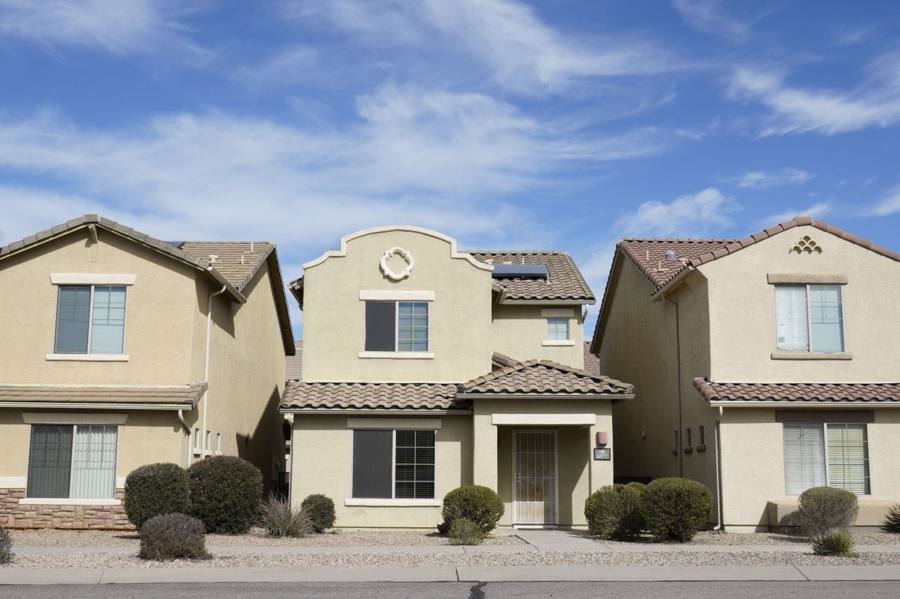
A plain-language guide to first time home buyer programs Arizona buyers can use: down payment help, city and county options, who qualifies and how to apply.
How Arizona down payment assistance works: grants vs. forgivable and deferred second loans, repayment triggers, income limits, lenders, education and MCCs.

How Arizona property taxes work: limited property value, assessment ratios, the homeowner rebate, Prop 117, due dates, special districts and escrow impounds.