
How to Buy a House in Arizona: Complete Step-by-Step Guide
A step-by-step guide to buying a house in Arizona: budgeting, preapproval, touring, writing an offer, the inspection period and BINSR, escrow and closing.

Buying a Home First-Time Homebuyers Arizona Real Estate
The short answer
After your offer is accepted in Arizona, a title and escrow company opens escrow and you deposit your earnest money. During the inspection period, 10 days on the standard Arizona purchase contract unless you agree otherwise, you inspect the home and deliver a BINSR to request repairs or cancel. Your lender then orders the appraisal and finishes underwriting. You do a final walkthrough, sign closing documents, and the home is yours when the deed records with the county.
Getting that "they accepted!" call is one of my favorite parts of this job. It's also the moment a lot of first-time buyers realize they don't know what comes next. The short version: the next few weeks are about confirming the home is what you think it is, getting your loan finalized, and hitting a series of deadlines.
Here's what typically happens, step by step, on an Arizona resale using the Arizona Association of REALTORS® (AAR) Residential Resale Real Estate Purchase Contract. Your contract may have different dates or terms, and your contract always controls, so read it and ask questions. New construction works differently, which I cover in buying new construction in Arizona.
Your contract is accepted once both you and the seller have signed the final version and it has been delivered. Many deadlines are counted from that date, so it's worth writing it down. Under the AAR contract, "time is of the essence," meaning deadlines matter. Missing one can cost you your right to cancel or put your earnest money at risk.
In Arizona, a neutral title and escrow company handles the closing instead of an attorney. Your agent sends the signed contract to escrow, and the escrow officer opens your file. From here, escrow will:
You'll usually deposit your earnest money with escrow soon after acceptance, according to your contract. Before you wire any money, call your escrow officer at a phone number you looked up yourself to verify the instructions. Scammers target homebuyers with fake wiring emails. The CFPB explains how to protect your closing funds.
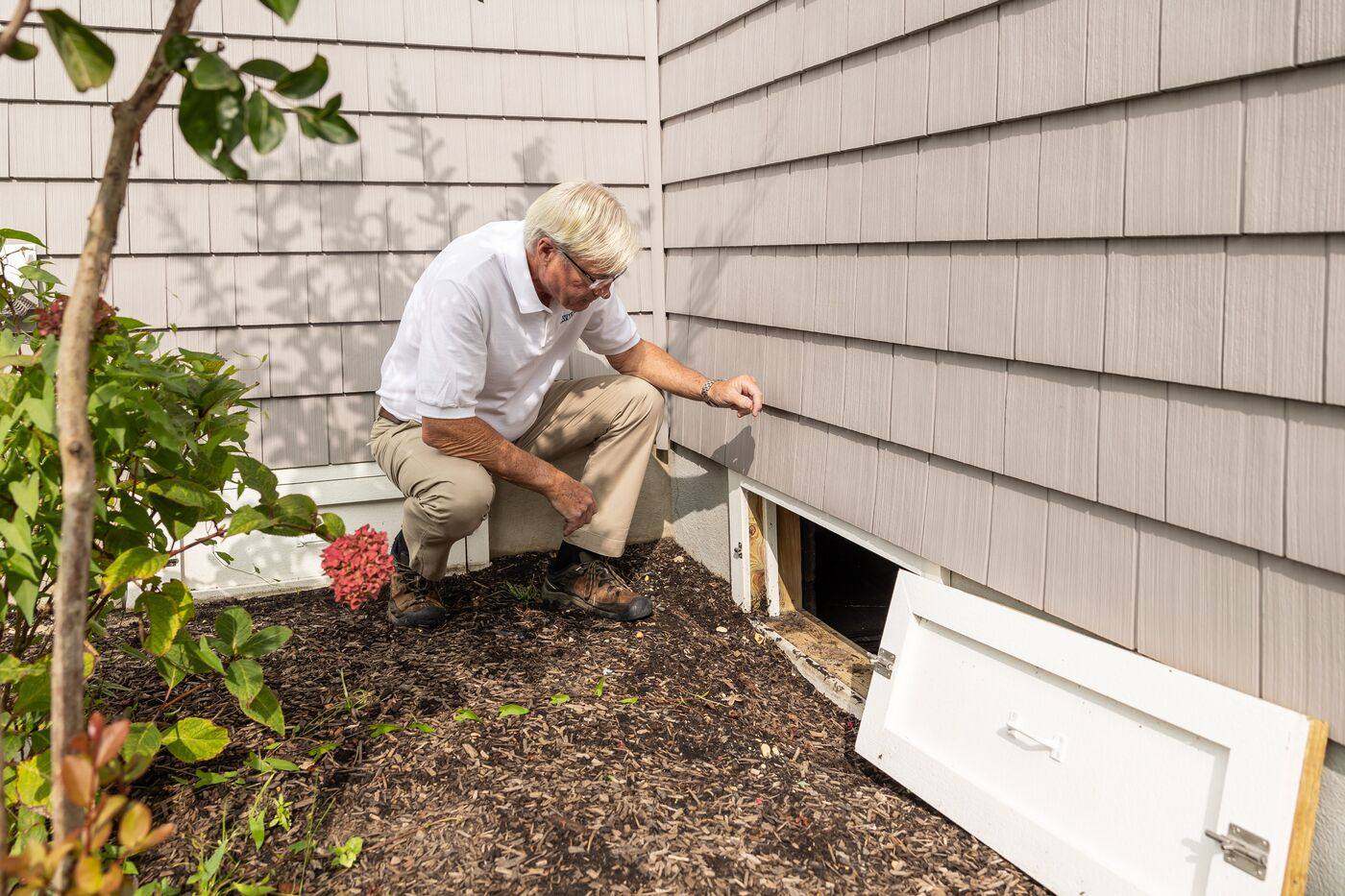
On the standard AAR contract, the inspection period is 10 days after contract acceptance unless you and the seller agreed to a different number in your contract. This is your chance to investigate the home and the things around it. During this time, you'll typically:
Before your inspection period ends, you deliver the Buyer's Inspection Notice and Seller's Response (BINSR). On it you can:
If you request repairs, the seller typically has five days on the standard form to respond. They can agree, offer something different, or decline. If they don't agree to everything you asked for, or don't respond at all, you then have a short window, also five days on the standard form, to decide whether to cancel or move forward. If you do nothing in that window, you're generally treated as moving forward.
A few tips from experience:
If you're financing, your lender orders an appraisal from an independent appraiser to confirm the home's value supports the loan. If the appraisal comes in at or above the price, great. If it comes in lower, you have a few options, which may include asking the seller to reduce the price, bringing more cash, splitting the difference, or canceling. The AAR contract includes an appraisal contingency for financed buyers that gives you a short window to act after you get notice of a low appraisal, unless you waived or changed it in your offer. Talk with me and your lender right away if this happens, because the clock matters.
While inspections and the appraisal are happening, your lender's underwriter is reviewing your file. You may be asked for updated pay stubs, bank statements, or letters explaining deposits or credit items. The AAR contract also requires the buyer and lender to provide loan status updates to the seller during escrow, so responsiveness helps the whole deal move.
During this stretch:
See what credit score you need to buy a house for more on keeping your credit steady.
Once the underwriter is satisfied, you'll get a "clear to close." You'll receive your Closing Disclosure at least three business days before closing. It shows your final loan terms, closing costs and cash to close. Compare it with your Loan Estimate and ask about anything that changed.
Shortly before closing, you'll do a final walkthrough. This isn't another inspection. It's to confirm the home is in the condition you agreed to, any agreed repairs were done (bring the receipts), and items included in the sale are still there. In Arizona, I like to run the AC, check the pool equipment, run water in every sink and look for signs of leaks.
You'll sign your loan and escrow documents with the title company, often a day or more before the scheduled closing date. Bring a valid photo ID and wire or deliver your remaining funds as escrow instructs, again verifying the instructions by phone.
After everyone has signed and the lender funds the loan, escrow sends the deed to the county recorder. In Arizona, the sale closes when the deed records. Under the standard contract, possession usually transfers at that point, which means that's when you get your keys. Arizona doesn't have a state transfer tax. An affidavit of property value is filed with the deed, and its fee is included in the recording fee.
Want this whole stretch in checklist form? My free first-time homebuyer checklist has the deadlines and to-dos in order, and my homebuying timeline tool shows how it all fits together. For the big picture, see how to buy a house in Arizona.
On the Arizona Association of REALTORS® Residential Resale Purchase Contract, the inspection period is 10 days after contract acceptance unless the buyer and seller agree to a different number of days. Check your own contract, because it controls.
Often, yes, if you cancel within a contingency in your contract, such as the inspection period, and follow the contract's notice requirements. If you cancel outside those contingencies, your earnest money may be at risk. Talk with your agent, and an attorney if needed, before acting.
Under the standard Arizona resale contract, possession usually transfers at close of escrow, which happens when the deed records with the county recorder. Your contract may set different terms, such as a seller leaseback.
You may be able to renegotiate the price, cover the difference in cash, meet the seller partway, or cancel, depending on your contract's appraisal terms and deadlines. Contact your agent and lender as soon as you get the appraisal.
This article is general information, not legal, tax, lending or financial advice. Programs, rules and costs change, so confirm details with the right professional for your situation.
Get a plan that fits your budget, timeline and the areas you love. I’ll explain every step in plain language. Start with the free First-Time Homebuyer Checklist, sent straight to your inbox.
Prefer to talk? Book a free 15-minute call or call/text 602-908-1719.

A step-by-step guide to buying a house in Arizona: budgeting, preapproval, touring, writing an offer, the inspection period and BINSR, escrow and closing.
A local's guide for first-time homebuyers in the West Valley, including Glendale, Peoria, Surprise, Goodyear and Avondale.

Avoid common first-time homebuyer mistakes in Arizona, from skipping preapproval and underestimating costs to rushing inspections and missing deadlines.