
Arizona First-Time Home Buyer Programs: A Simple Guide
A plain-language guide to first time home buyer programs Arizona buyers can use: down payment help, city and county options, who qualifies and how to apply.

Buying a Home First-Time Homebuyers Arizona Real Estate

The short answer
To buy a house in Arizona, you set a budget, get preapproved by a lender, sign a buyer agreement with an agent, tour homes, and write an offer, usually on the Arizona Association of REALTORS® purchase contract. Once your offer is accepted, a title and escrow company opens escrow. You complete inspections during the inspection period, the lender finishes your loan, and the sale closes when the deed records with the county. Many financed purchases close in roughly 30 to 45 days after acceptance, but timelines vary.
When people ask me how to buy a house in Arizona, they usually expect a complicated answer. The honest answer is that the process is a series of fairly simple steps that happen in a specific order. What makes it feel overwhelming is that nobody lays the whole thing out in one place. So that's what this guide does.
I grew up in the Arrowhead Lakes area of Glendale, and most of the buyers I work with are buying for the first time, here in the West Valley or down in Tucson near the UofA. Below is the same roadmap I walk them through, with the Arizona details that tend to surprise people. If you like to see things visually, my homebuying timeline tool lays out these same steps.
Before you look at a single listing, get a feel for your numbers. The price a lender approves you for is the most you can borrow. It isn't necessarily the price you'd be comfortable paying every month. I'd rather you start from your monthly budget and work backward.
Your monthly housing payment in Arizona usually includes:
Don't forget the costs that are especially Arizona: summer electric bills for air conditioning, pool upkeep if the home has one, and sometimes a monthly payment on leased solar panels that you'd take over from the seller. My affordability calculator and mortgage calculator are good places to start. For the cash side, see how much money you need to buy a house in Arizona.
Pull your credit reports for free at AnnualCreditReport.com and look for errors before a lender does. Different loan types have different credit expectations, and lenders often add their own requirements on top. I go through this in detail in what credit score you need to buy a house.
On the savings side, you'll typically need money for earnest money, your down payment, closing costs and inspections, plus a cushion for after you move in. If savings is what's holding you back, look into down payment assistance. My article on how Arizona down payment assistance works explains it, and Arizona first-time homebuyer programs covers specific programs.
A preapproval means a lender has looked at your income, assets, debts and credit and is prepared to lend you up to a certain amount, as long as nothing changes and the home checks out. In Arizona, most sellers and listing agents expect a preapproval letter with any financed offer.
It's worth talking to more than one lender. Each one has to give you a standardized Loan Estimate once you apply, which makes it easier to compare rates and fees side by side. The Consumer Financial Protection Bureau also notes that when you shop with several mortgage lenders in a short window, the credit checks generally have a limited effect on your score. If you plan to use down payment assistance, ask each lender which programs they're approved to offer, because you usually can't use a program through a lender that isn't approved for it.
Since August 2024, agents who belong to a multiple listing service generally need a written agreement with a buyer before touring homes together. The agreement spells out what the agent will do for you and how, and how much, they'll be paid. Compensation is negotiable. Read it carefully and ask questions before you sign. I explain what to look for, and how to check an agent's license with the Arizona Department of Real Estate, in how to choose a realtor in Arizona.
Arizona is big, and the Phoenix metro alone has very different areas. Think about commute, the age of homes you want, whether you're open to an HOA, lot size, and whether you want a pool. If you're not sure where to start, try my neighborhood quiz or browse my area guides. Buyers I work with often compare Glendale, Peoria, Surprise, Goodyear and Buckeye in the West Valley, or Tucson if they want to be near the university. If schools matter to you, look up the school districts that serve each area and research them yourself, for example through the Arizona Department of Education.
When you tour, look past the paint. In Arizona I pay attention to the age of the roof and the AC units, signs of water around the base of the home, the pool equipment, and any solar panels, since leased or financed solar can affect your loan and your monthly costs.
Most Arizona home resales use the Arizona Association of REALTORS® (AAR) Residential Resale Real Estate Purchase Contract. New construction usually uses the builder's own contract instead, which is a very different document. Your offer will typically cover:
The seller can accept, reject, or counter. It's normal to go back and forth once or twice. Once both sides sign the final version, you're "under contract."
Arizona isn't a state where an attorney is required to close a home sale. A neutral title and escrow company handles it instead. Once your contract is accepted, it goes to the escrow company, which opens escrow, holds your earnest money, orders the title report, and coordinates the paperwork and money between everyone.
A word of caution I give every buyer: wire fraud is a real risk in real estate. Before you send any money, call your escrow officer at a phone number you found yourself, not one from an email, to confirm the wiring instructions. The CFPB has a helpful guide to avoiding mortgage closing scams.
The inspection period is your time to learn everything you can about the home. Most buyers hire a general home inspector, and depending on the home you might add a termite (wood-destroying insect) inspection, a pool inspection, a roof inspection, or a sewer scope. You can also review the seller's disclosure statement, the insurance claims history, HOA documents, and check that you can get insurance at a reasonable price.
Before the inspection period ends, you deliver a Buyer's Inspection Notice and Seller's Response, known in Arizona as the BINSR. On it you can ask the seller to fix specific items, or cancel the contract if you're not satisfied. The seller then responds, and if they won't do everything you asked, you get a short window to decide whether to move forward or cancel. Deadlines matter a lot here. I walk through this whole stretch in what happens after your offer is accepted.
If you're financing, your lender orders an appraisal to confirm the home's value supports the loan. The underwriter then reviews your file and may ask for more documents. Respond quickly, and avoid big financial changes until after closing. That means no new car loans, no new credit cards, and no job changes if you can avoid it, without talking to your lender first.
At least three business days before closing, you'll receive your Closing Disclosure, which shows your final loan terms and exactly how much money to bring. Compare it to your Loan Estimate and ask your lender about anything that changed.
Shortly before closing, you'll do a final walkthrough to confirm the home is in the condition you agreed to and that any repairs were done. Then you sign your loan and closing documents with the escrow company, usually a few days before your closing date, and wire or deliver your remaining funds.
In Arizona, the sale is officially complete when the deed is recorded with the county recorder's office. That's the moment the house becomes yours and, under the standard contract, the moment you typically get the keys. Arizona doesn't charge a state real estate transfer tax. There is a small affidavit of property value fee, which is now included in the county's standard recording fee.
If you'd like a printable version of this roadmap, grab my free Arizona homebuyer's guide. And if you're a first-time buyer, my first-time homebuyer page is a good next stop.
After your offer is accepted, many financed purchases close in roughly 30 to 45 days, and cash purchases can close faster. Add the time it takes to get preapproved and find the right home, which can be anywhere from a few weeks to several months. Your contract sets the exact closing date.
Arizona does not require an attorney to close a home purchase. A title and escrow company handles the closing, holds funds, and records the deed. You can always hire an attorney if you have legal questions, such as how to take title or how to handle a complicated contract issue.
BINSR stands for Buyer's Inspection Notice and Seller's Response. It is the form a buyer uses during the inspection period to ask the seller for repairs or to cancel the contract, and the seller uses it to respond. Deadlines are strict, so track them closely with your agent.
No, Arizona does not have a state real estate transfer tax. An affidavit of property value must be filed when a deed is recorded, and the small fee for it is included in the county recording fee. You will still have other closing costs, like title insurance, escrow and lender fees.
This article is general information, not legal, tax, lending or financial advice. Programs, rules and costs change, so confirm details with the right professional for your situation.
Get a plan that fits your budget, timeline and the areas you love. I’ll explain every step in plain language. Start with the free Arizona Homebuyer's Guide, sent straight to your inbox.
Prefer to talk? Book a free 15-minute call or call/text 602-908-1719.
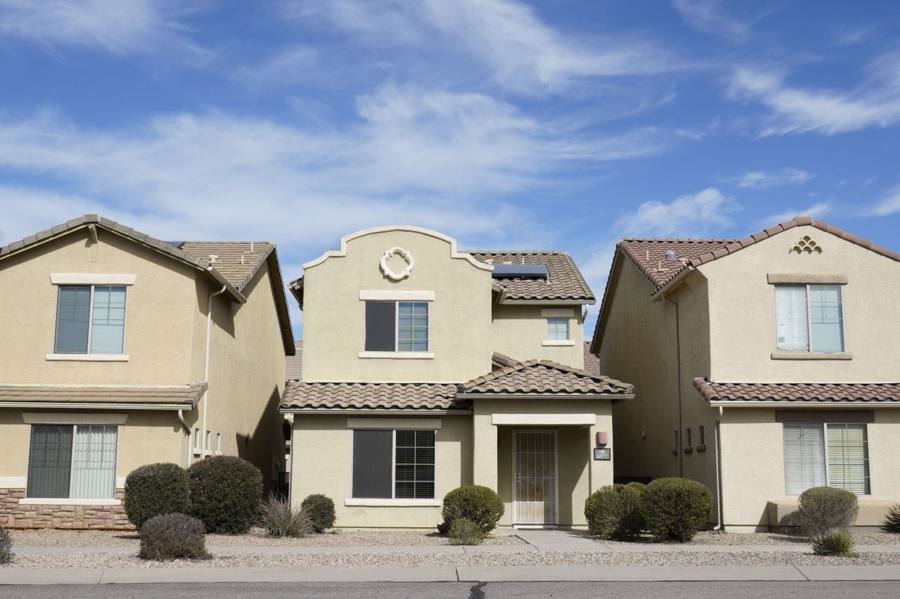
A plain-language guide to first time home buyer programs Arizona buyers can use: down payment help, city and county options, who qualifies and how to apply.
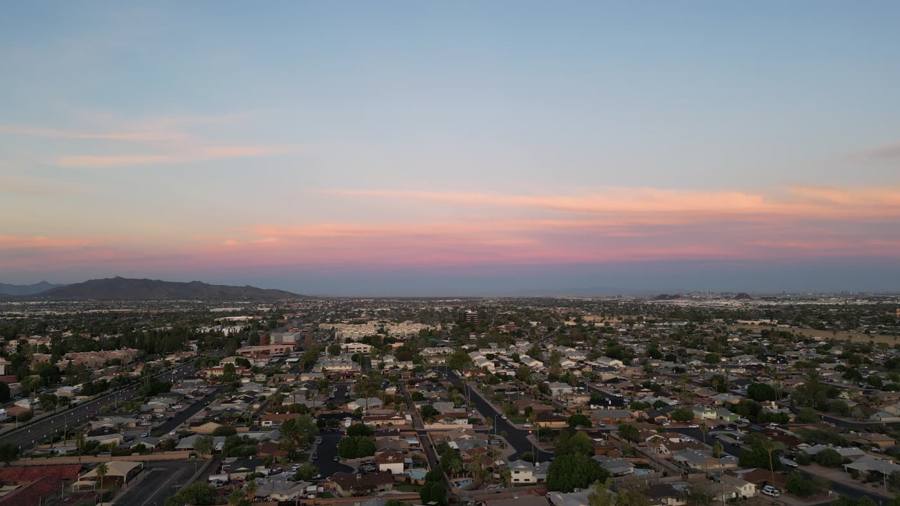
A local's guide for first-time homebuyers in the West Valley, including Glendale, Peoria, Surprise, Goodyear and Avondale.
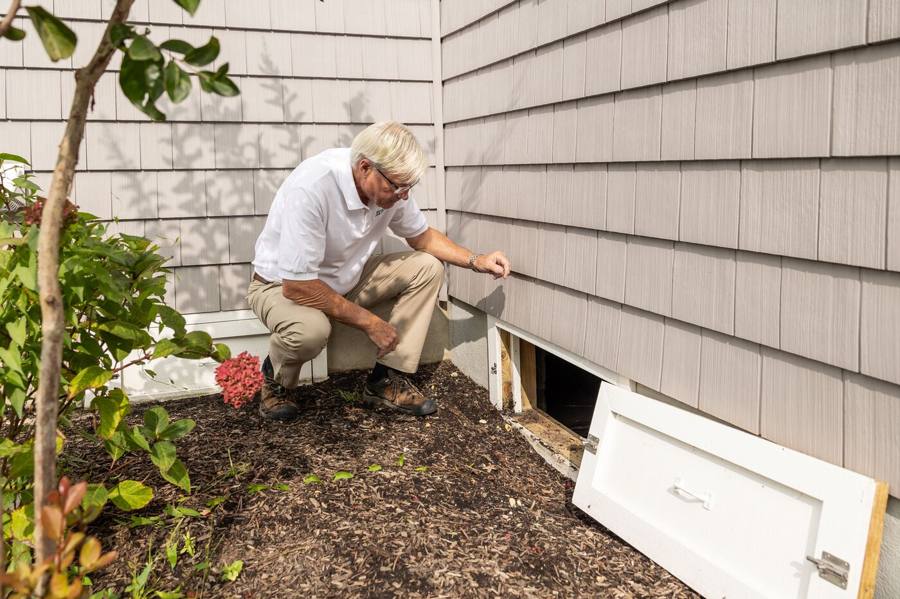
What happens after your offer is accepted in Arizona: escrow, earnest money, the inspection period and BINSR, appraisal, loan approval and closing.