
How to Buy a House in Arizona: Complete Step-by-Step Guide
A step-by-step guide to buying a house in Arizona: budgeting, preapproval, touring, writing an offer, the inspection period and BINSR, escrow and closing.

Relocating to Arizona Arizona Real Estate Buying a Home
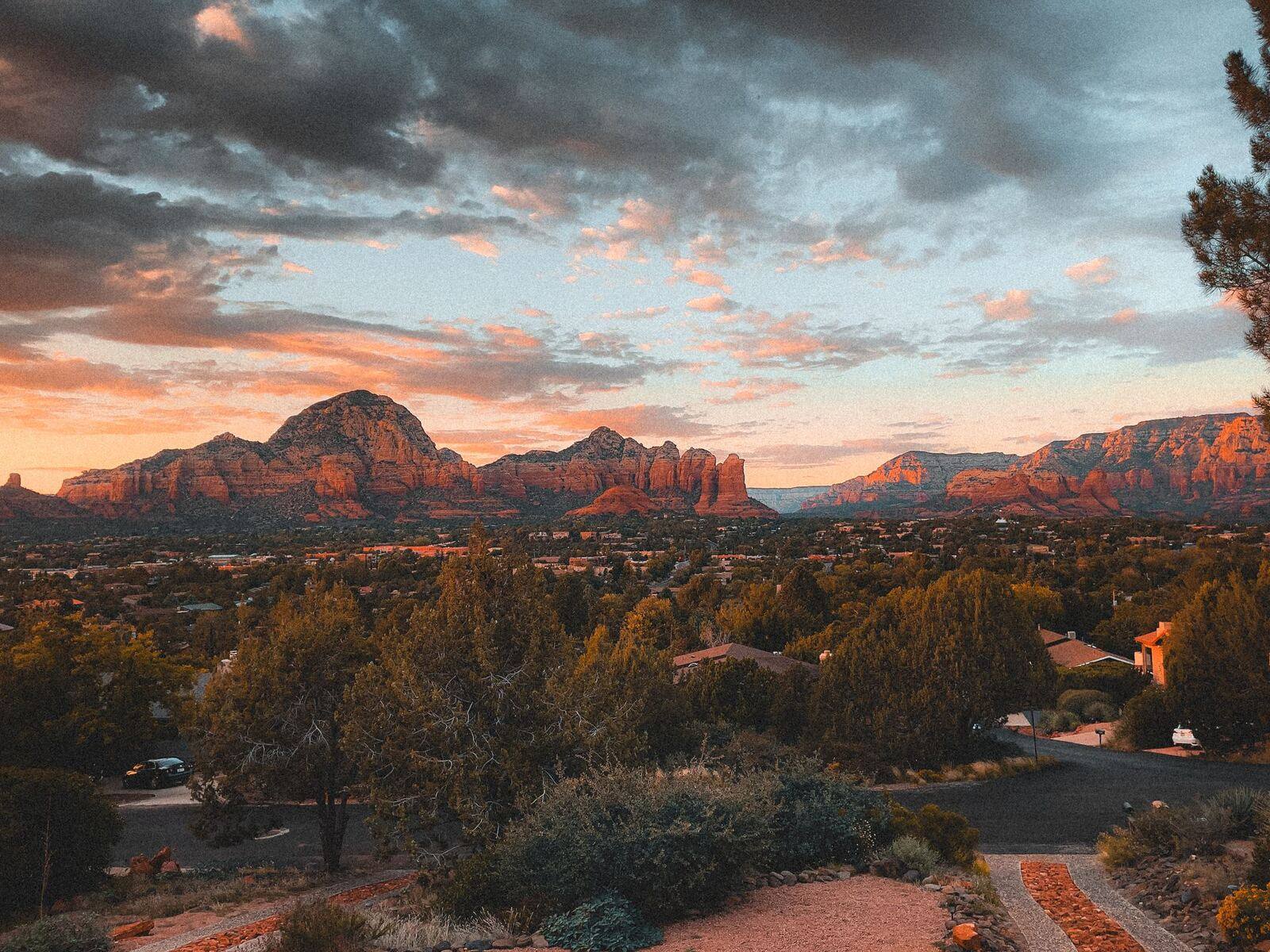
The short answer
Moving to Arizona means planning for hot summers, choosing between very different regions like the West Valley, East Valley, central Phoenix, Scottsdale and Tucson, and setting up utilities that depend on your exact address. New residents are expected to get an Arizona driver license and register vehicles right away once they become residents. If you're buying from out of state, line up a local agent and lender early, and use video tours and a scouting trip before you commit.
I grew up in the West Valley and I'm now a student at the University of Arizona in Tucson, so I know both of the state's big metro areas up close. If you're thinking about moving here, this guide covers what I wish every newcomer knew before they picked a neighborhood or packed a truck.
Arizona's low deserts are known for mild, sunny winters, which is a big reason people move here. The flip side is summer. In the Phoenix area, triple-digit highs are routine from late spring into early fall, and nights can stay very warm. Tucson sits higher, at roughly 2,400 feet compared to Phoenix's roughly 1,100, and is often a few degrees cooler, but it's still hot.
The National Weather Service defines monsoon season as June 15 through September 30. Monsoon storms can bring dust storms, heavy downpours, flash flooding and power outages, and they're a good reason to ask about roof condition, drainage and whether a home is near a wash.
A few practical climate notes:
The Phoenix metro area is huge, and where you land shapes your commute, home age and price range. Here's a quick overview.
This is my home turf: Glendale, Peoria, Surprise, Goodyear, Avondale, Buckeye and Litchfield Park. You'll find a mix of established neighborhoods and a lot of new construction, plus spring training ballparks, State Farm Stadium, Lake Pleasant and the White Tank Mountains. Recent Resideline citywide medians (six months ending August 2026) ranged from about $400,000 in Buckeye to about $495,500 in Peoria. My free West Valley neighborhood guide goes deeper.
Phoenix itself covers everything from historic districts near downtown to newer homes on the north side. Valley Metro light rail serves parts of Phoenix, Tempe and Mesa.
Tempe, Mesa, Chandler, Gilbert and Queen Creek range from older, central neighborhoods near Arizona State University to newer master-planned communities toward the southeast.
Scottsdale runs from mid-century homes and condos in the south to golf and desert communities in the north, with Old Town and the McDowell Sonoran Preserve as big draws.
About two hours southeast of Phoenix on I-10, Tucson has historic central neighborhoods near the University of Arizona, foothills homes with mountain views and newer communities in places like Marana and Vail. If you're a parent with a UofA student, read buying a home near the University of Arizona.
I won't throw out a single cost-of-living number, because it depends heavily on where you're coming from and where you land. Here's what to look at:
Utilities depend on the exact address, so confirm providers for each home you consider.
Water is a long-term topic in Arizona. The Arizona Department of Water Resources (ADWR) runs the Assured Water Supply program, which generally requires new subdivisions in the Phoenix and Tucson areas to demonstrate a 100-year water supply. If you're buying in a newer or rural area, ask who provides the water, and if the home is on a private well, plan on a well inspection.
According to the ADOT Motor Vehicle Division, new residents are expected to get an Arizona driver license and register their vehicles as soon as they become residents. ADOT treats you as a resident if, for example, you stay in Arizona seven months or more in a year, take a job here, register to vote here or pay in-state tuition.
A large share of Arizona homes, especially newer ones, are in an HOA. HOAs may maintain common areas, pools, parks and trails, but they also set rules on paint colors, parking, RVs, rentals and yard upkeep. Many master-planned communities have two associations. Before you buy, review the HOA's fees, rules, budget and reserves, and ask about transfer or capital contribution fees at closing. If you want fewer rules, older neighborhoods in places like south and central Glendale are more likely to have no HOA.
Pools are common here, and a lot of newcomers love having one. Budget for ongoing costs: weekly service or your own time, chemicals, equipment repairs and higher summer water use. Arizona law and many city codes have pool barrier requirements, so check with the city about fencing and gates. Have the pool and its equipment inspected as part of your home inspection. If you don't want the upkeep, plenty of communities have shared pools covered by HOA dues.
Lots of buyers purchase here before they ever live here. Here's how I'd approach it:
Want the full checklist? Grab my free Arizona relocation guide, check out my relocation page, and reach out anytime. I'd love to help you find your place here.
ADOT says new residents should get an Arizona driver license and register their vehicles as soon as they become residents. You're generally considered a resident if you stay seven months or more in a year, take a job here, register to vote or pay in-state tuition, among other factors. Check ADOT's New to Arizona page for details.
In the Phoenix area, most homes are served by APS or SRP, depending on the address. In Tucson, it's usually Tucson Electric Power (TEP). Ask for the provider on any home you're considering, and compare rate plans when you set up service.
Many vehicles in the Phoenix and Tucson areas need an emissions test before they can be registered, while some newer vehicles and other types are exempt. Check myazcar.com, Arizona's vehicle emissions program site, to see whether your vehicle needs one.
Many people do, using live video tours, a trusted agent and a thorough inspection. If possible, take at least one scouting trip to drive neighborhoods and your commute first. Arizona title companies can explain what can be signed remotely.
This article is general information, not legal, tax, lending or financial advice. Programs, rules and costs change, so confirm details with the right professional for your situation.
I’ll help you compare communities, tour homes by video and buy with confidence from wherever you are now. Start with the free Arizona Relocation Guide, sent straight to your inbox.
Prefer to talk? Book a free 15-minute call or call/text 602-908-1719.

A step-by-step guide to buying a house in Arizona: budgeting, preapproval, touring, writing an offer, the inspection period and BINSR, escrow and closing.
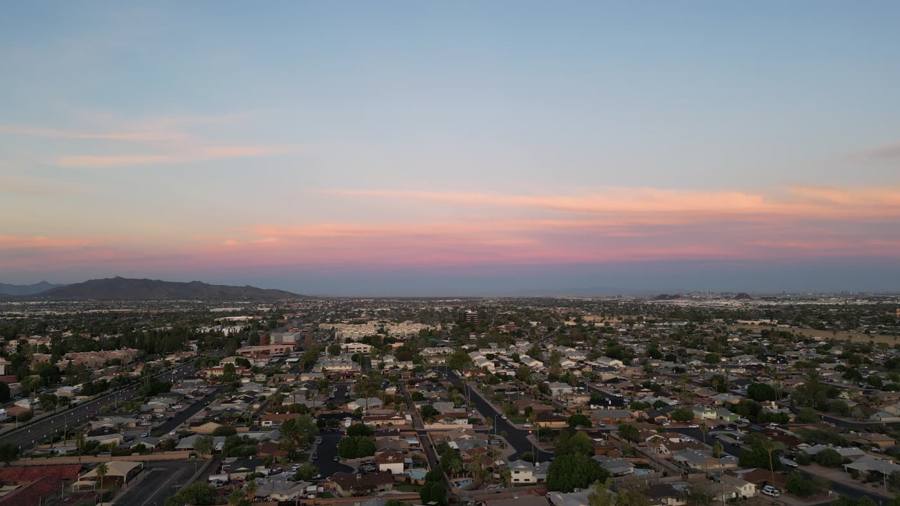
A local's guide for first-time homebuyers in the West Valley, including Glendale, Peoria, Surprise, Goodyear and Avondale.

How Arizona property taxes work: limited property value, assessment ratios, the homeowner rebate, Prop 117, due dates, special districts and escrow impounds.